Ever stared at a product listing that says “7 inches” and had zero idea what that actually means in your hand? You’re not alone. Seven inches equals 17.78 centimeters, or about 0.58 feet — but numbers alone don’t paint a picture.
This guide fixes that. You’ll see 16 everyday objects that measure close to 7 inches, learn why the same length can feel “big” in one context and “small” in another, and pick up a few no-ruler tricks for estimating length on the fly.
Table of Contents
Quick Answer: How Long Is 7 Inches in Real Life?
Seven inches is 17.78 centimeters, 177.8 millimeters, or 0.178 meters. It’s a medium-length measurement — longer than a credit card, shorter than a standard ruler.
| Unit | Value |
|---|---|
| Centimeters | 17.78 cm |
| Millimeters | 177.8 mm |
| Feet | 0.58 ft |
| Meters | 0.178 m |
If you want a fast mental image: a dollar bill measures 6.14 inches long — so 7 inches is a dollar bill plus about an inch more. A standard No. 10 envelope, the kind used for business mail, runs close to 9.5 inches, so 7 inches falls noticeably short of that.
One more useful anchor: a 7-inch vinyl record, historically called a “45” or “single,” has been a standard physical music format since the early 1950s, according to recording-industry references. That single fact alone tells you 7 inches has been an industry-standard measurement for over 70 years — it’s not an arbitrary number.
16 Everyday Things That Are 7 Inches Long
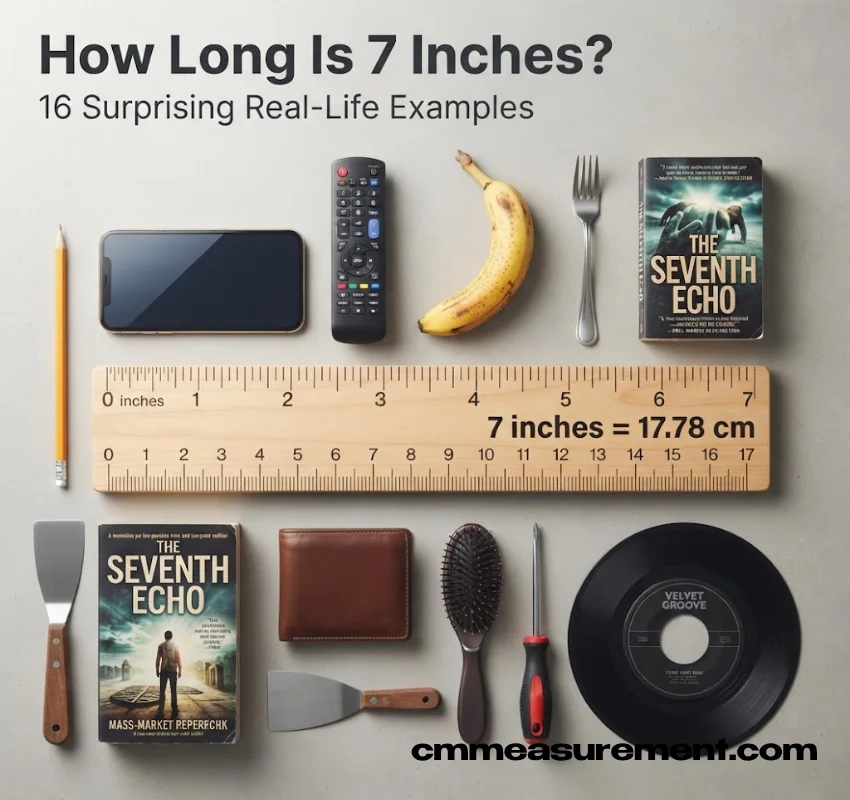
Here’s where the abstract number becomes something you can actually picture. Each of these objects measures close to 7 inches, and most of them are things you’ve held today.
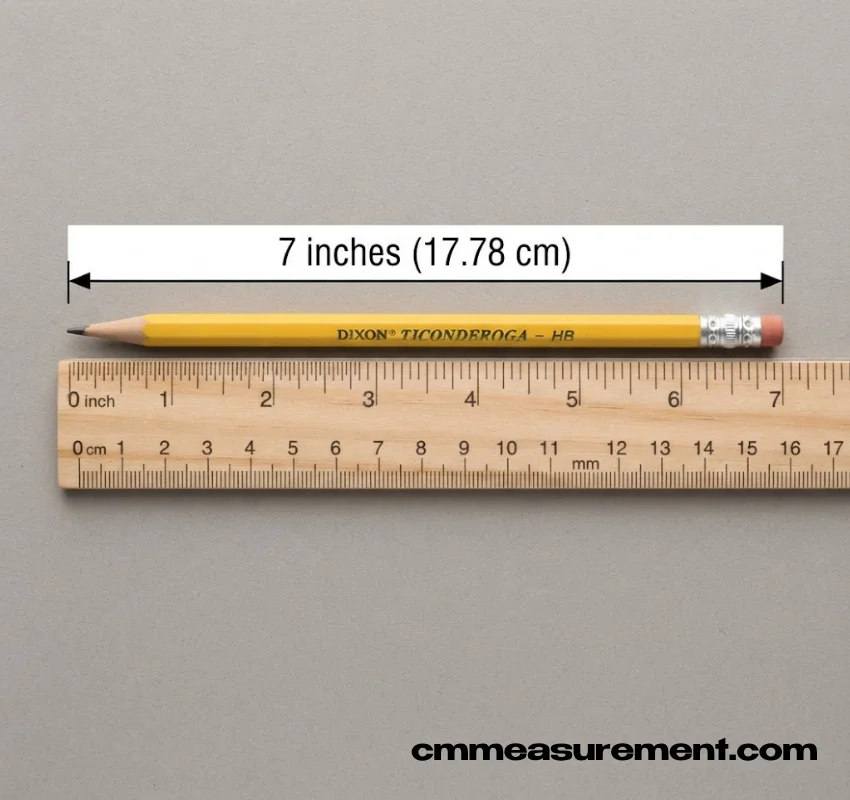
1. A standard pencil. A new, unsharpened pencil measures almost exactly 7 inches. It’s one of the most reliable references because pencils haven’t changed size in generations.
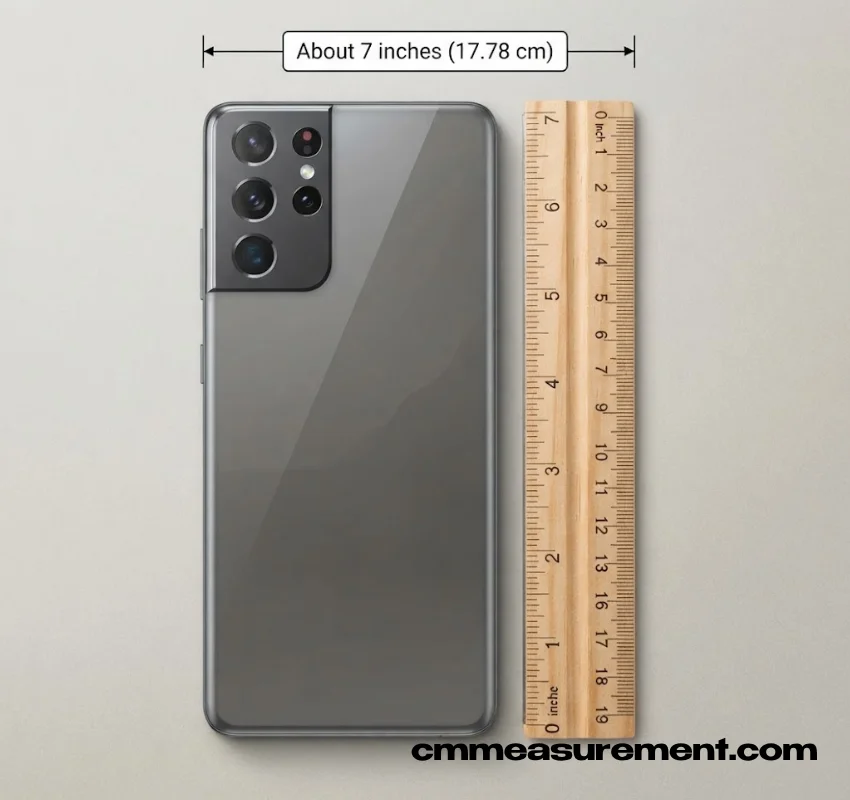
2. A large smartphone. Most modern flagship phones fall between 6.1 and 6.7 inches tall. Add the camera bump and a case, and you’re close to 7 inches. This is the fastest gut-check most people have in their pocket right now.
Must Visit: How Long Is 15 Inches? 8 Amazing Real-Life Examples
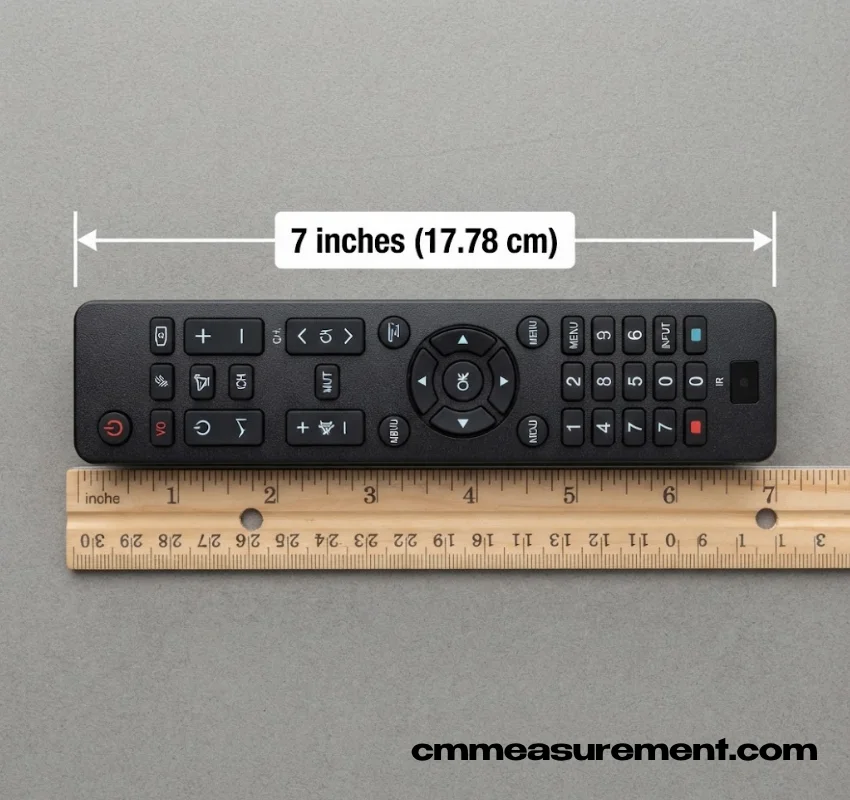
3. A TV remote control. Universal and streaming remotes typically run 6.5 to 7.5 inches long, built to fit the average adult palm while leaving room for buttons.
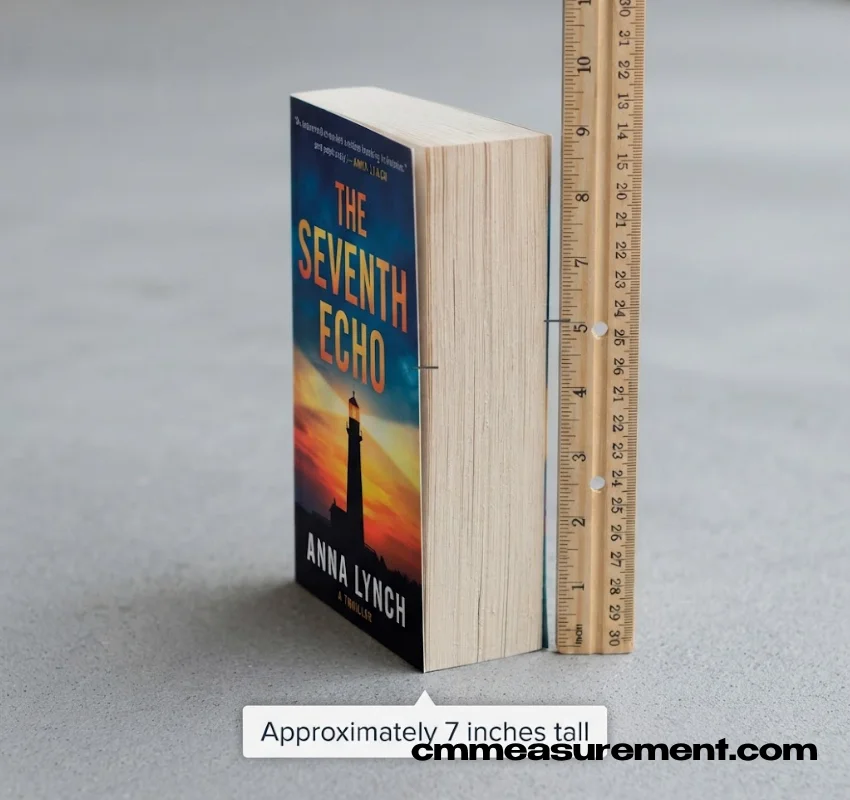
4. A paperback book. Mass-market paperbacks are traditionally trimmed to 6.75 x 4.25 inches — so the height lands right at 7 inches, give or take a few millimeters.
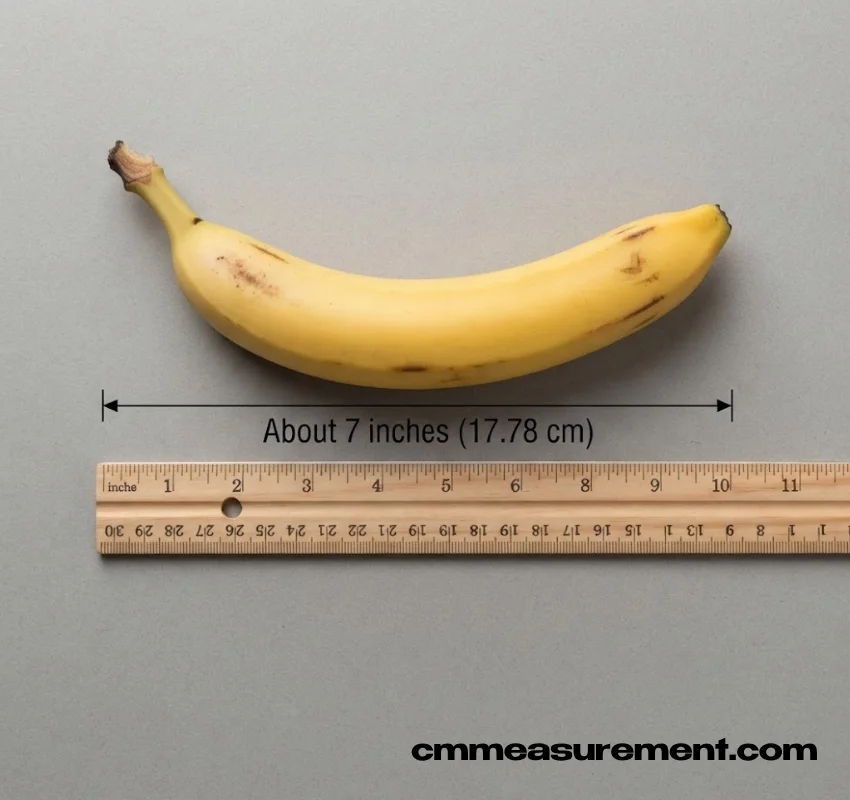
5. A medium banana. A typical grocery-store banana measures 7 to 8 inches from tip to tip, according to USDA produce sizing standards. This is why “banana for scale” became such a popular internet reference — it’s genuinely close to a known length.
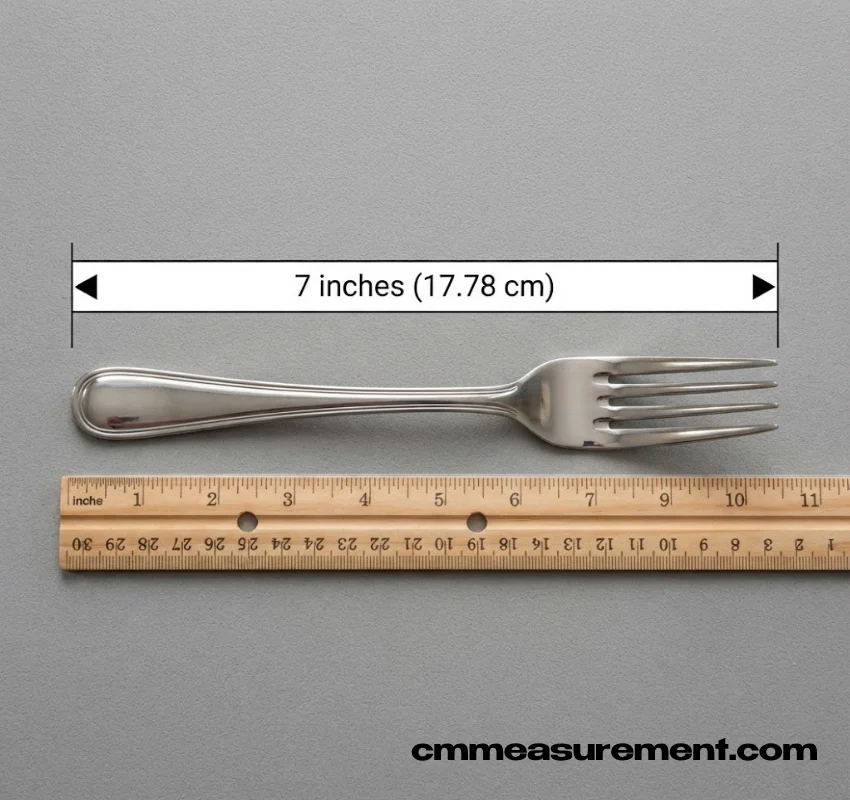
6. A dinner fork. Standard flatware sets list dinner forks at 7 to 7.5 inches, slightly longer than the salad fork sitting next to it.
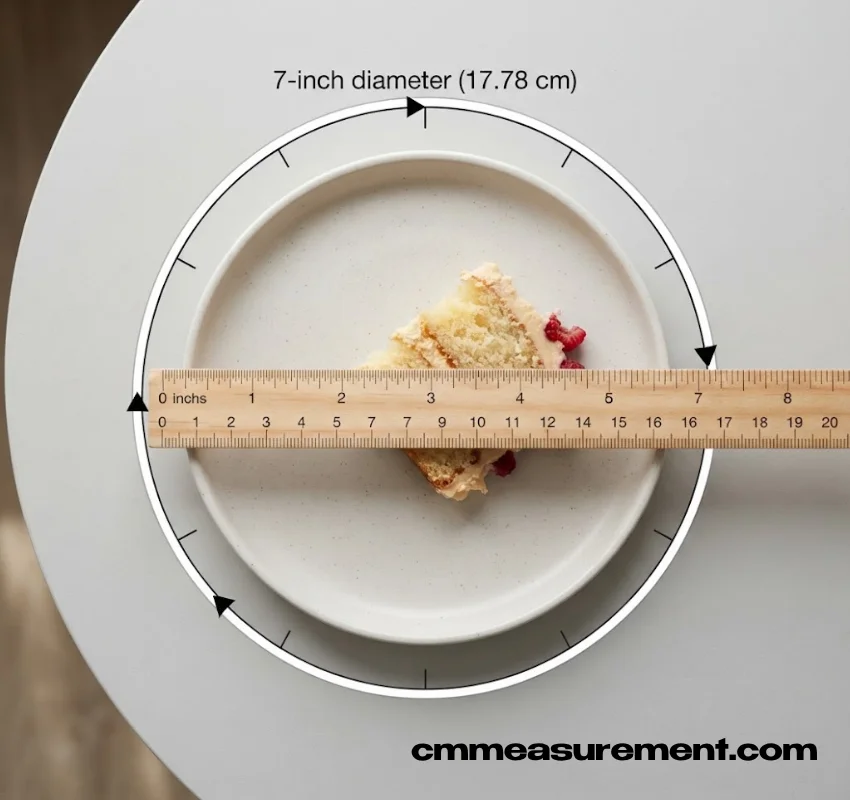
7. A dessert plate. Side and dessert plates typically measure 7 to 7.5 inches in diameter — smaller than a dinner plate (10-11 inches), but big enough for a slice of cake.
8. A men’s wallet, unfolded. Bifold wallets open flat to roughly 7 inches wide, which is why they tuck neatly into a back pocket when closed.
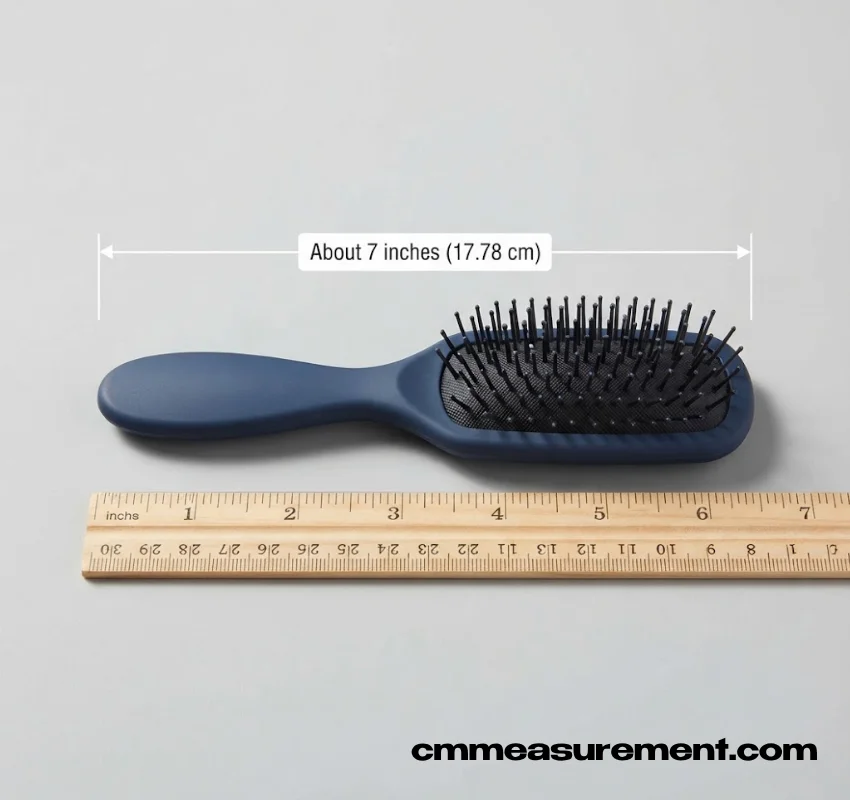
9. A compact hairbrush. Travel-sized hairbrushes commonly measure 7 inches, balancing grip comfort with portability.
10. A small tablet screen. Compact tablets are often marketed with 7-inch diagonal screens. Important distinction: that’s the corner-to-corner measurement, not the width or height — the physical device is actually larger.
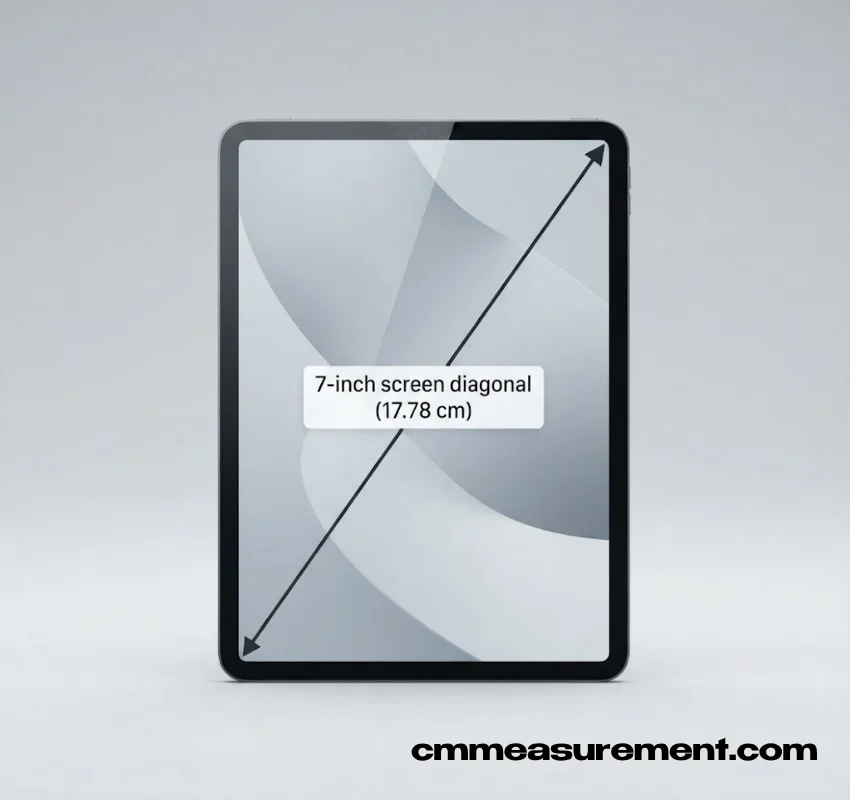
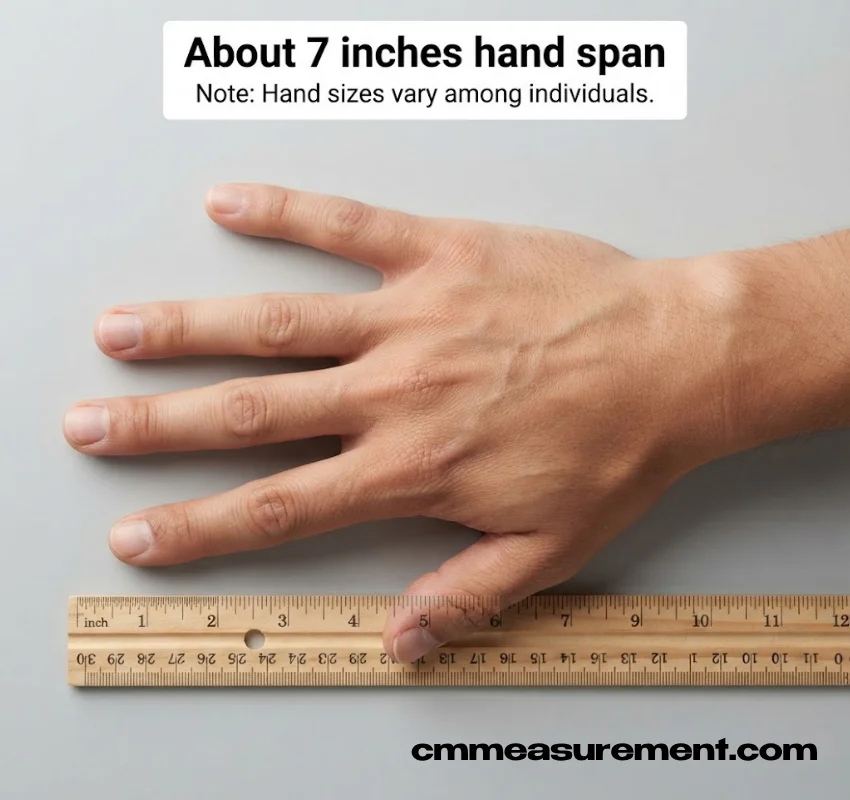
11. An adult hand span. Stretch your thumb to your pinky finger. For most adults, that distance lands close to 7 to 9 inches, making your own hand a rough built-in ruler.
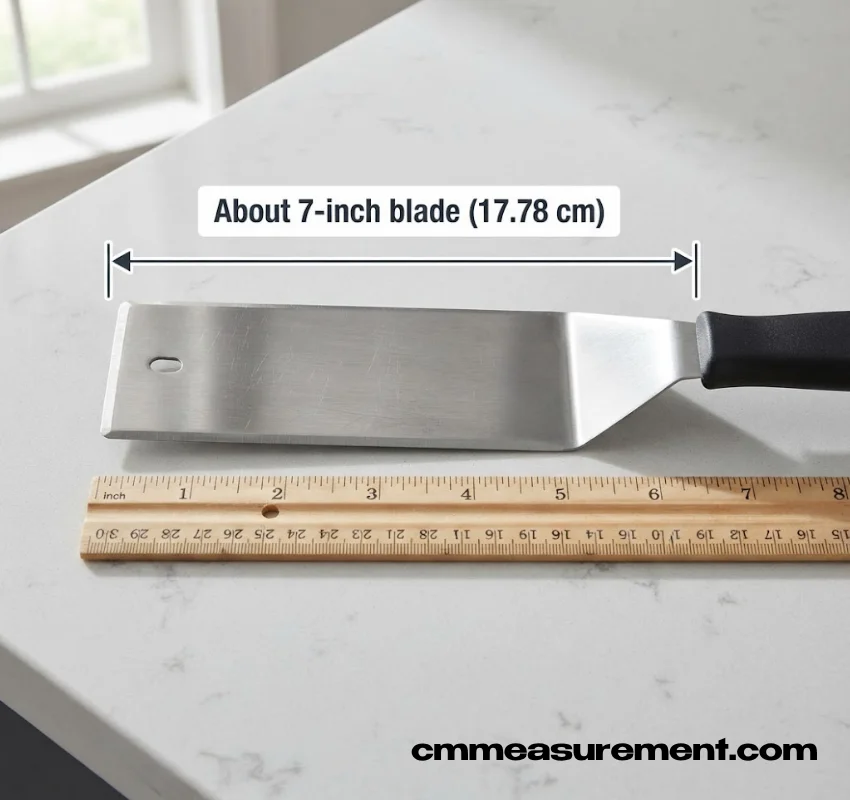
12. A kitchen spatula blade. The flat, flipping portion of a standard spatula usually measures around 7 inches, not counting the handle.
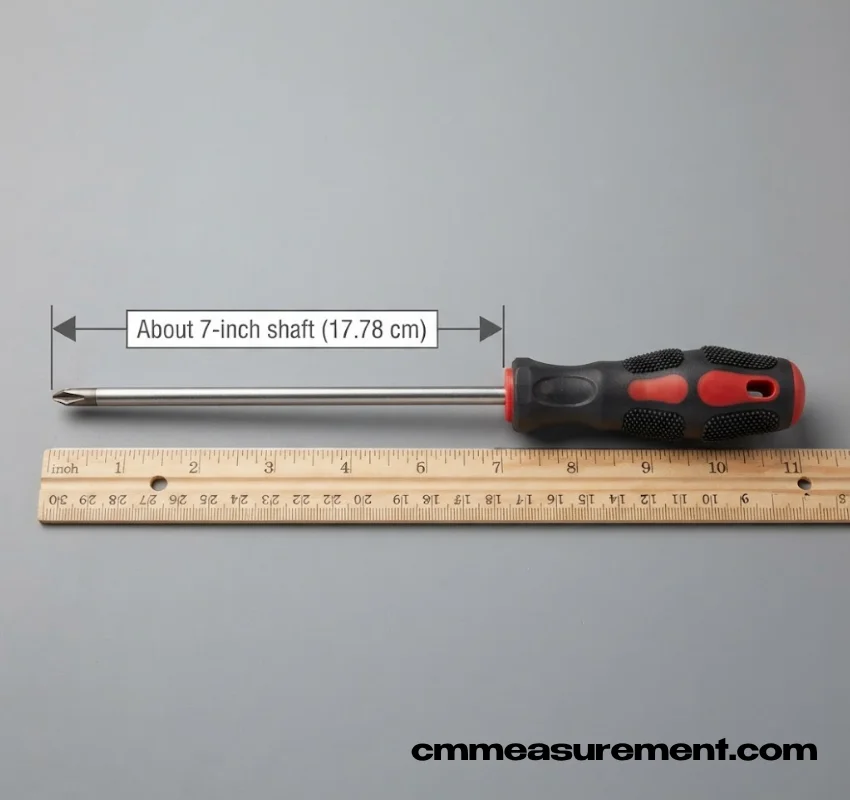
13. A screwdriver shaft. The metal portion of a standard screwdriver — excluding the handle — commonly runs 6 to 7 inches, giving enough reach for most household repairs.
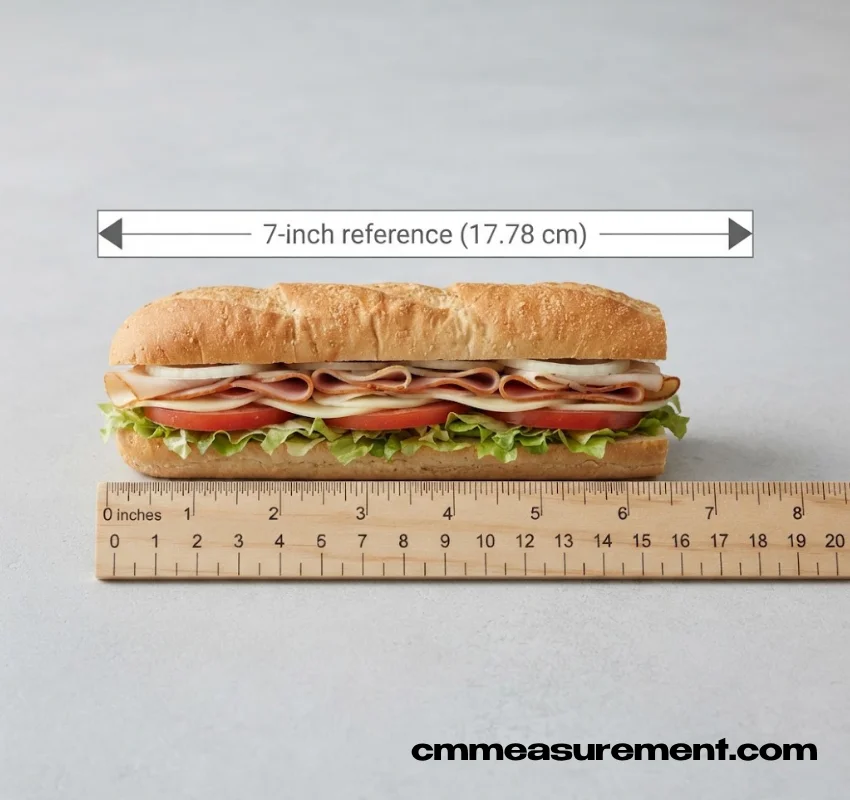
14. A 6-inch Subway sandwich, roughly. Subway’s “6-inch” sub actually measures closer to 7 inches on the bread, according to independent measurements reported by food outlets over the years — a small but well-documented gap between marketing name and reality.
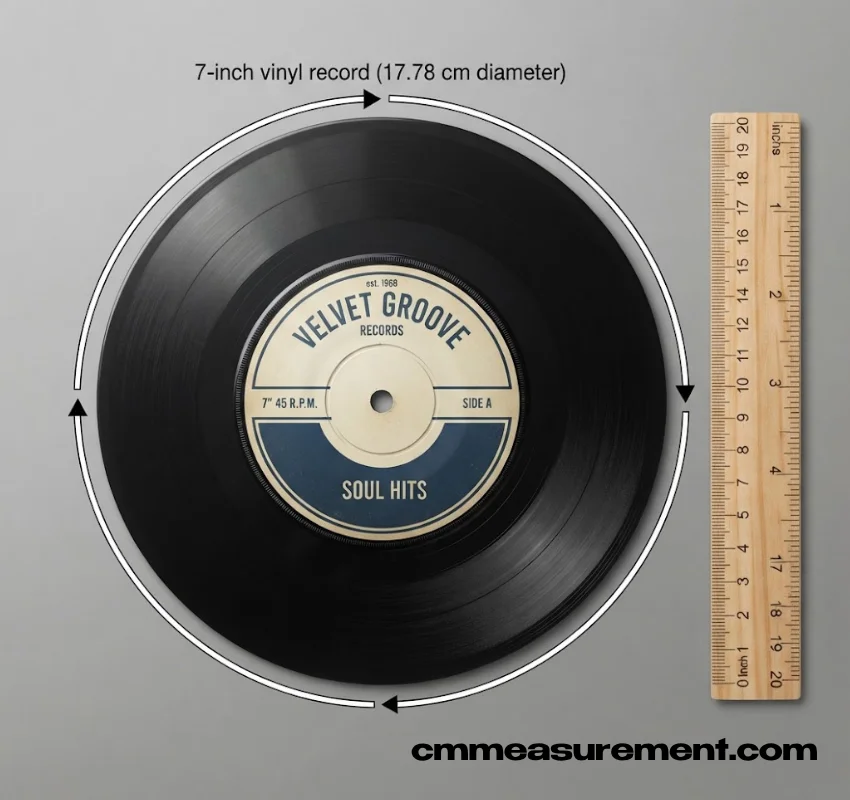
15. A 7-inch vinyl single. Before streaming, before CDs, the 7-inch record was the format for a hit single. Introduced by RCA Victor in 1949, it became the industry default for decades and is still pressed today by collectors and independent artists.
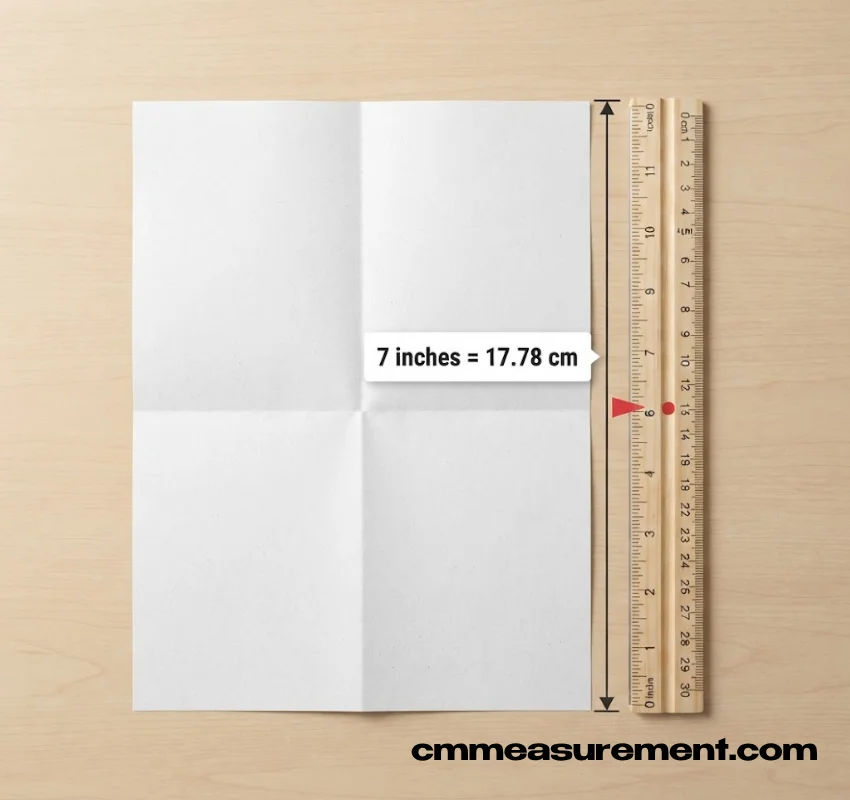
16. A US Letter-size sheet, folded. A standard 8.5 x 11-inch sheet of paper, folded in half along the short edge, creates a panel just over 5.5 inches — but folded lengthwise into thirds (like a mailed letter), each panel lands close to 3.67 inches, and two panels side by side approximate 7 inches. It’s a handy trick for estimating length using paper you already have on your desk.
Is 7 Inches Big or Small? Context Changes Everything
Here’s the honest answer: it depends entirely on what you’re measuring.
A 7-inch kitchen knife blade is considered a full-size chef’s knife — plenty big for daily cooking. A 7-inch gap between stair risers, on the other hand, would violate most US residential building codes, which typically cap riser height around 7.75 inches for safety. A 7-inch smartphone screen sits at the larger end of the phone spectrum but is tiny compared to a 7-inch tablet, which is considered small in the tablet category.
| Category | Is 7″ big or small? | Why |
|---|---|---|
| Kitchen knife | Big | Full-size chef’s knife range |
| Tablet screen | Small | Entry-level, compact category |
| Stair riser height | Borderline/large | Near residential code limits |
| Smartphone height | Large | Above-average phone size |
The takeaway: a measurement only means something once you attach it to a category. Seven inches of hair growth feels like a lot; 7 inches of legroom feels like almost nothing.
How to Estimate 7 Inches Without a Ruler
No measuring tape nearby? These quick, research-backed methods get you close.
Use your hand span. The average adult hand span (thumb tip to pinky tip, fully stretched) measures close to 7 to 9 inches. It’s not exact — hand size varies by person — but it’s fast and always available.
Reference a dollar bill. US currency is printed to an exact, federally regulated size: 6.14 inches long. Lay one down, and 7 inches is just a bit past the edge.
Use your smartphone. Since most large phones sit close to 6.5-7 inches tall, holding your own phone next to an object gives an instant, decently accurate comparison.
Picture a standard pencil. Because pencil length has stayed consistent for decades, it works as a dependable mental ruler almost anywhere.
This matters beyond curiosity. If you’re shipping a package, arranging shelf space, or checking whether furniture will fit through a doorway, these quick estimates can save you an actual measuring trip — and prevent an online order that doesn’t fit where you planned.
FAQs
What is an example of 7 inches?
A standard pencil, a large smartphone, a dinner fork, and a medium banana are all common examples that measure close to 7 inches long.
Is 7 inches big or small?
It depends on context. Seven inches is large for a kitchen knife blade or a smartphone screen, but small for a tablet or a piece of furniture. There’s no universal answer — the category decides it.
Is a banana 7 inches?
A typical medium banana measures between 7 and 8 inches from end to end, based on standard produce sizing. Smaller or riper bananas may fall slightly under that range.
How can I measure 7 inches without a ruler?
Use your hand span (roughly 7-9 inches for most adults), a dollar bill (6.14 inches) as a close reference, or your smartphone, since many large phones measure close to 7 inches tall.
Conclusion
Seven inches shows up more often than most people realize — in your wallet, your kitchen drawer, your hand, and even music history. Once you attach it to something familiar, a plain number turns into a picture you won’t forget.

Timmy Zeeshan is the founder and lead editor of CM Measurement, where he writes and maintains a growing library of unit conversion tools and practical measurement guides. With a background in engineering and a long-standing interest in everyday math problems, Timmy started CM Measurement after growing frustrated with cluttered, ad-heavy converter websites that made simple conversions harder than they needed to be.