Numbers on a page don’t mean much until you can picture them. That’s the problem with the meter for most people in the US.
This guide fixes that. You’ll get the exact conversion, six real objects that show how long 1 meter is, and a trick to measure it without any tool at all.
Table of Contents
What Is 1 Meter? A Quick Definition
A meter (m) is the base unit of length in the International System of Units (SI), the metric system used by nearly every country on Earth. The United States is one of only three nations — alongside Liberia and Myanmar — that still runs on the imperial system day to day, according to the National Institute of Standards and Technology (NIST).
That’s the real reason “1 meter” feels fuzzy to American readers. You didn’t grow up measuring your height, your yard, or your commute in meters, so the unit has no built-in reference point in your head.
Here’s the technical definition, for the record: one meter is the distance light travels in a vacuum in 1/299,792,458 of a second. This standard was fixed in 1983 by the International Bureau of Weights and Measures (BIPM), so a meter measured in New York is identical to one measured in Tokyo. You don’t need to memorize that formula. You just need a mental picture — and that’s what the rest of this article gives you.
How Long Is 1 Meter in Feet, Inches, and Yards
This is the part most people actually search for, so let’s answer it directly.
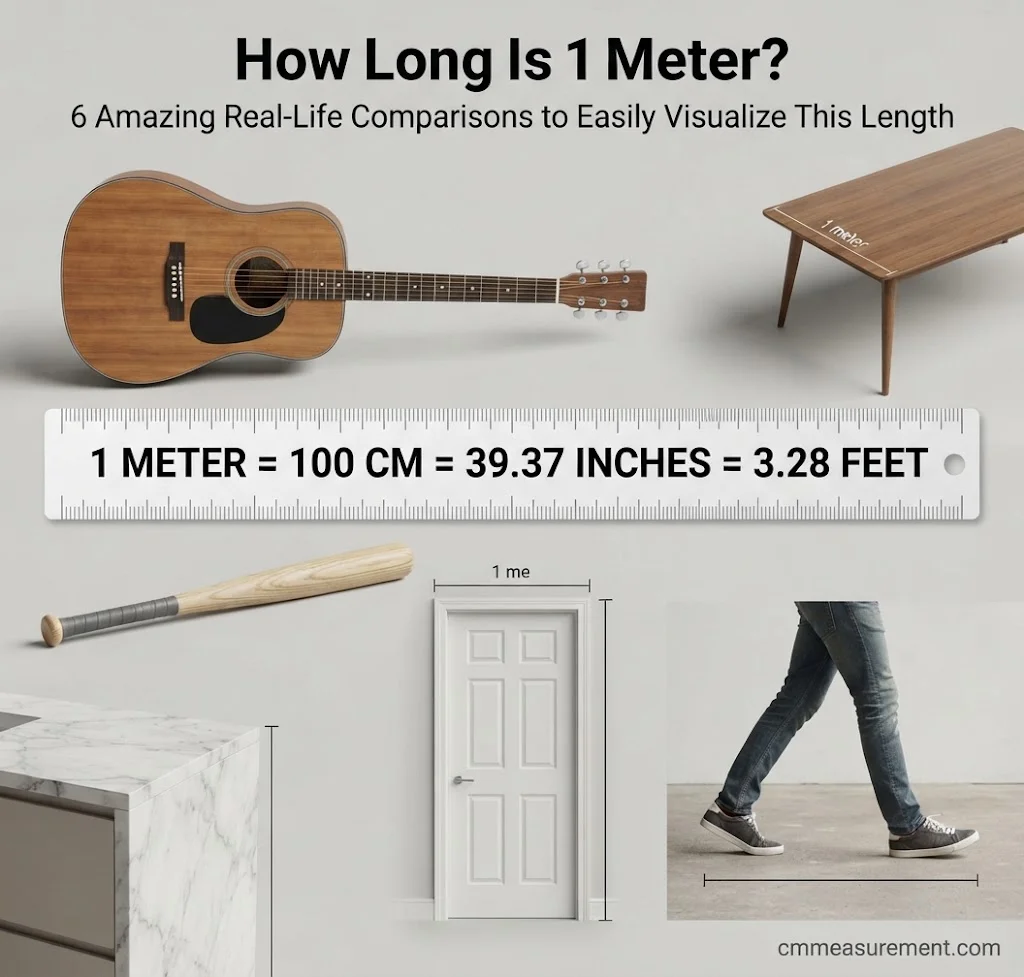
What is 1 meter long in feet? One meter equals 3.28 feet. That’s the number you’ll use most often if you’re converting metric measurements for a US audience.
Is 1 meter 3 feet? Almost, but not exactly. A meter is a little longer than 3 feet — about 3 inches longer, to be precise. This trips people up constantly because “3 feet” is close enough to feel right, but it’s technically short by a few inches.
Here’s the full breakdown:
| 1 Meter Equals |
|---|
| 3.28 feet |
| 39.37 inches |
| 1.09 yards |
| 100 centimeters |
| 1,000 millimeters |
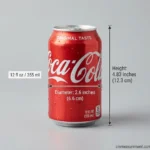
How much is 1 meter long, in plain terms? Picture three full soda cans stacked end to end, plus a little extra. That “little extra” is the part people forget, and it’s exactly why the 3-feet myth sticks around.
6 Real-Life Objects That Show How Long 1 Meter Really Is
Charts help, but objects help more. How long is 1 meter visually? Here are six everyday things you’ve probably touched that are close to one meter long.
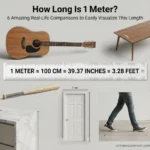
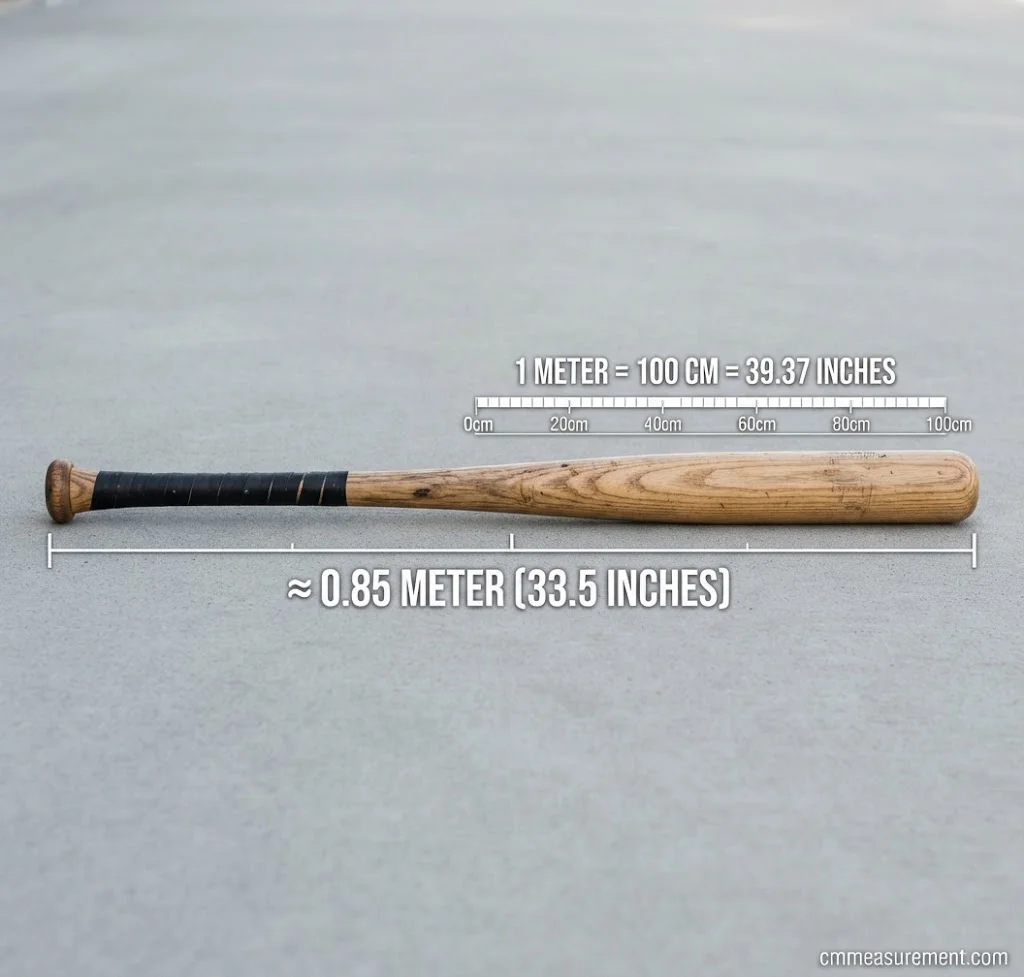
A baseball bat. Standard adult bats run between 33 and 34 inches, landing just under a meter. Hold one in your hands and you’re holding almost the exact length in question.
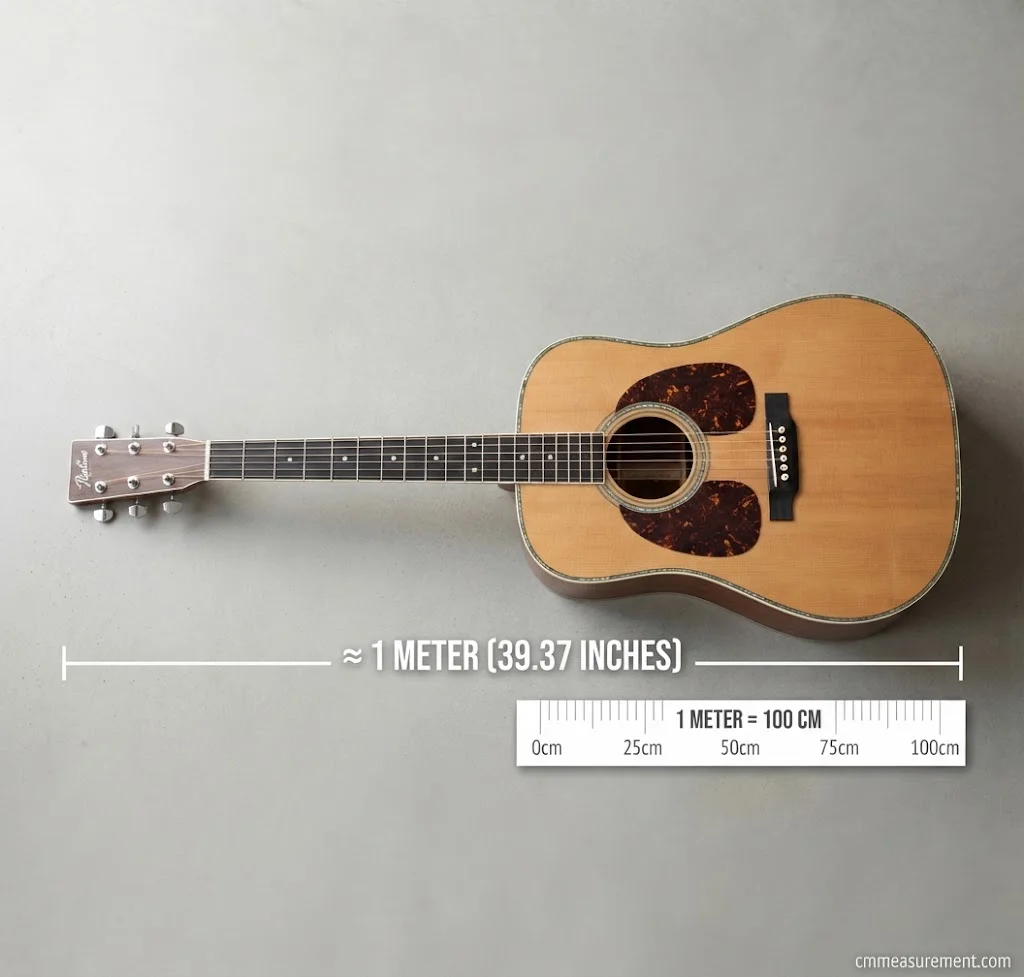
An acoustic guitar. Most full-size acoustic guitars measure about 1 meter from the top of the headstock to the bottom of the body. Musicians walk around with this measurement strapped to their shoulder every day without realizing it.
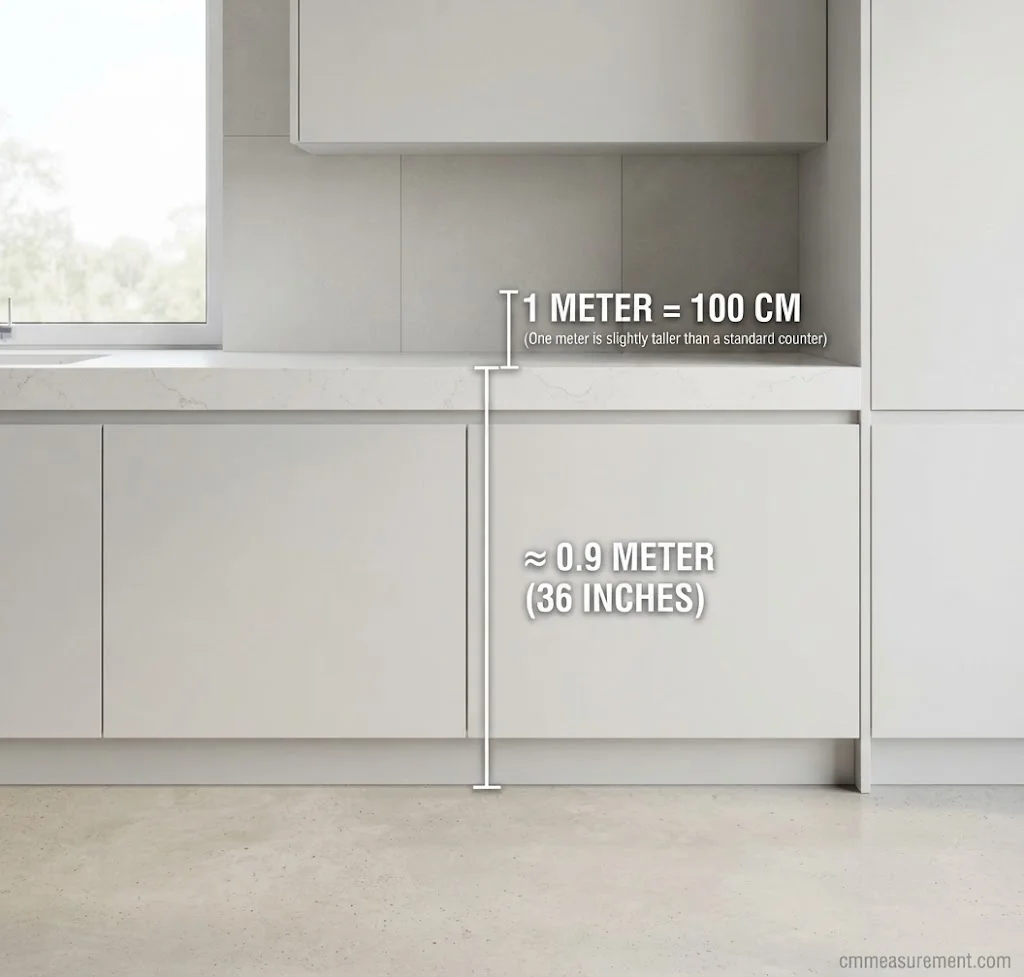
A kitchen counter’s height. Standard US kitchen counters sit around 36 inches, or roughly 0.9 meters, off the floor. Stand next to yours and add a few inches with your hand — that’s your meter.
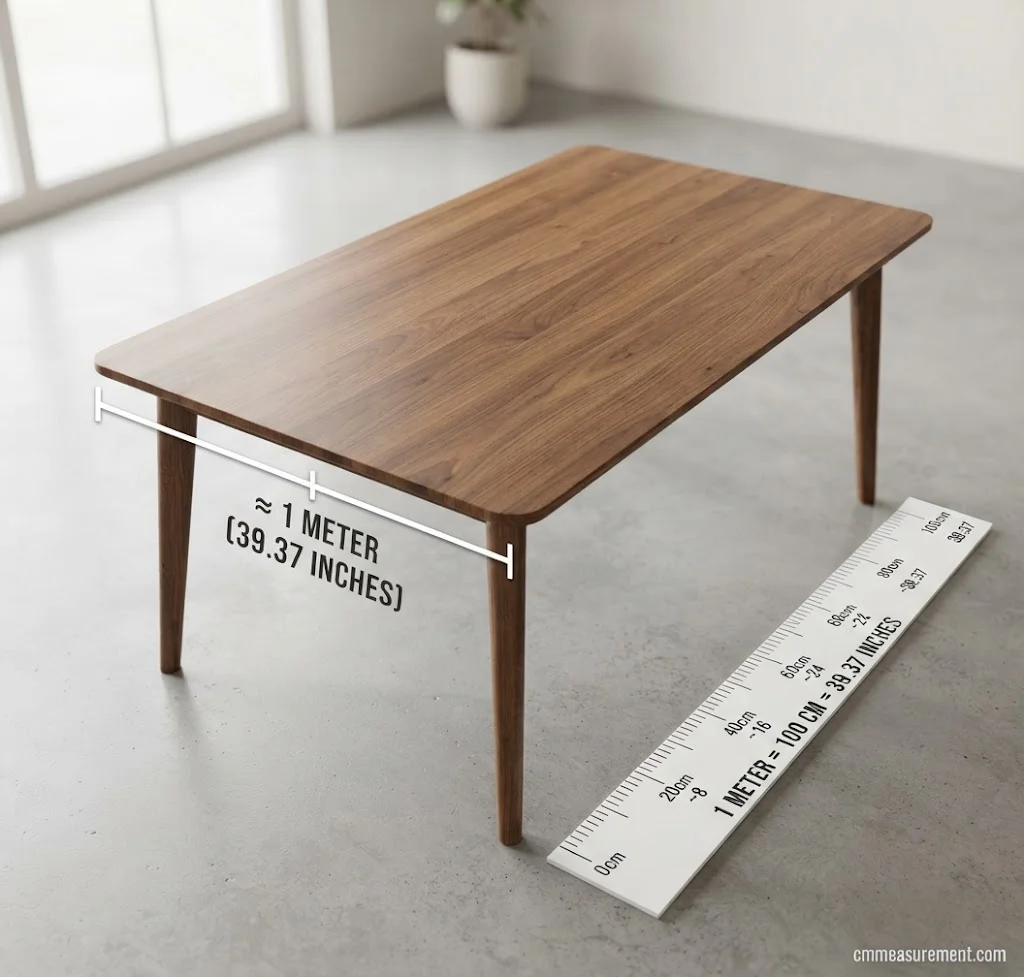
A dining table’s width. Many rectangular dining tables measure close to 1 meter across. Next time you sit down for dinner, glance across the table — you’re likely looking at this exact distance.
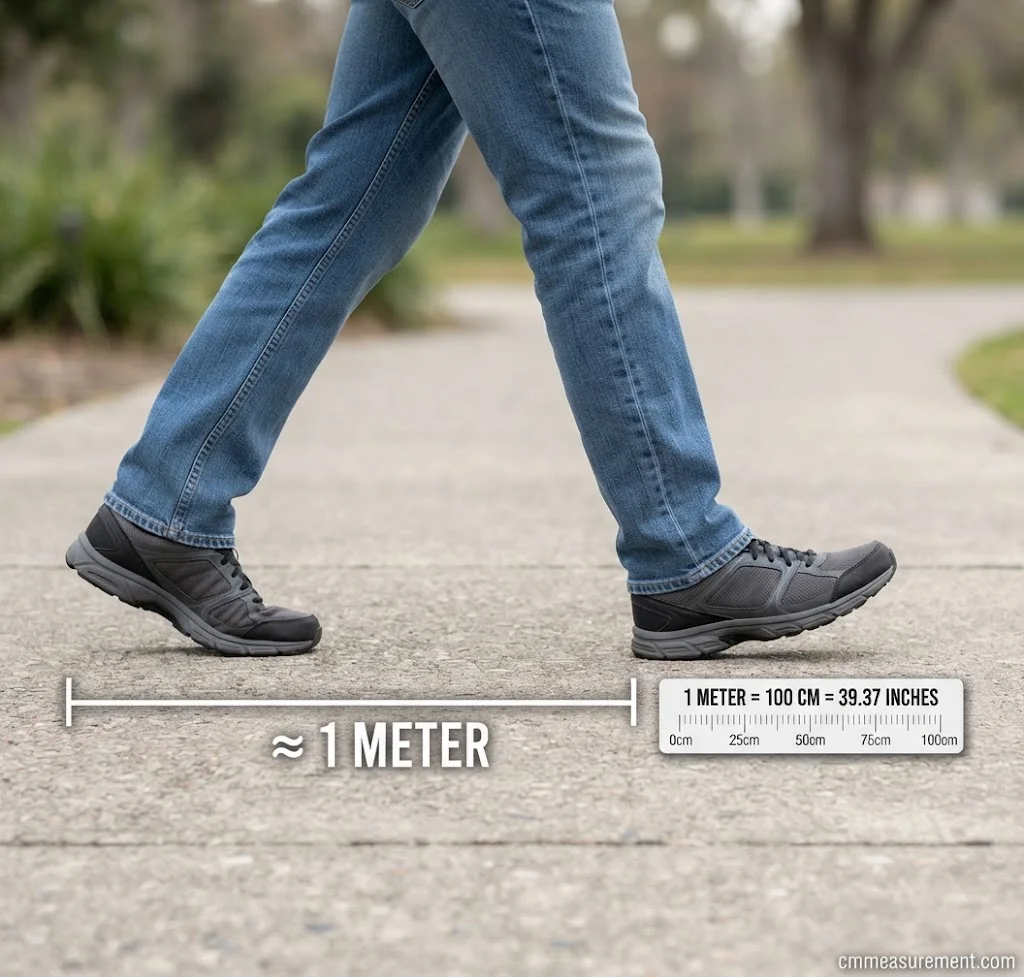
One long walking stride. An average adult’s confident, stretched-out step covers close to a meter. This is one of the oldest tricks in the book for estimating distance on the move, and it’s still remarkably accurate.
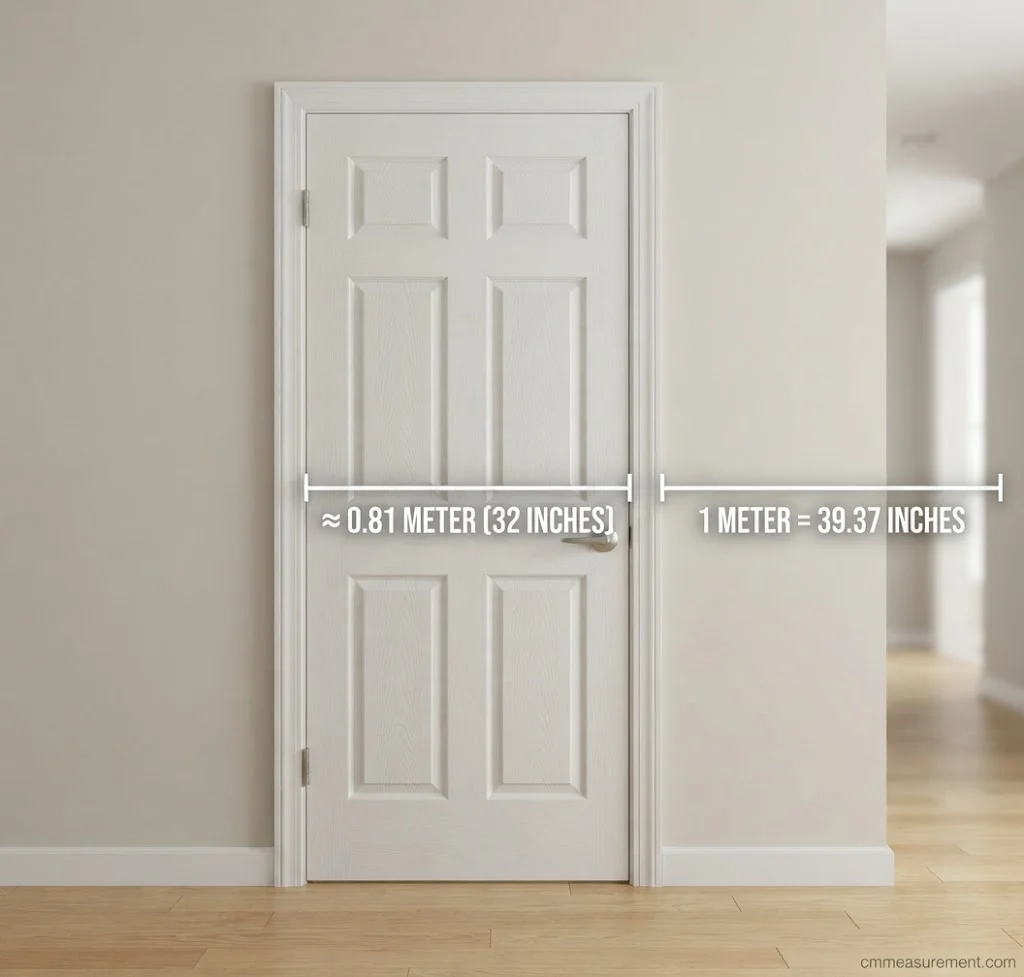
An interior door’s width. Standard US interior doors measure about 32 inches wide, or roughly 0.8 meters — a touch short of a full meter, which actually makes it a useful contrast point. Stand a door width next to a yardstick and you’ll see the gap clearly.
How to Measure 1 Meter Without a Ruler
No tape measure? No problem. These low-tech methods have been used for centuries and still hold up.
The arm-span trick. Stretch your arm straight out and measure from the tip of your nose to the tip of your outstretched fingers. For most adults, this distance lands remarkably close to 1 meter. It’s not lab-grade precise, but it’s accurate enough for everyday estimating.
The big-stride trick. Take one deliberate, extended step — not a casual walk, but a stretched-out stride. That distance typically comes in right around a meter, which is why this method has been used by surveyors and hikers long before GPS existed.
The object-comparison trick. Use anything from the list above as a mental ruler. If you know your kitchen counter sits at about 0.9 meters, you can eyeball other objects against it and get a fast, reasonably reliable estimate.
None of these methods replace an actual measuring tool. But when you just need a quick, workable estimate, they’ll get you remarkably close.
FAQs
How long is 1 meter visually?
Picture a baseball bat, a full-size guitar, or three soda cans stacked end to end. All of these sit close to 1 meter in length.
What does 1 m look like?
It looks like a yardstick with a few extra inches tacked on — roughly the height of a kitchen counter, or the length of one confident, stretched-out walking stride.
What is 1 meter long in feet?
One meter equals 3.28 feet. That’s slightly more than 3 feet, which is where most conversion confusion starts.
How much is 1 meter long?
One meter equals 3.28 feet, 39.37 inches, or 1.09 yards. In everyday terms, it’s about the length of a baseball bat or a full-size acoustic guitar.
How can I measure 1 meter without a ruler?
Stretch your arm out and measure from your nose to your fingertips, or take one long, deliberate stride. Both methods land close to 1 meter for the average adult.
Is 1 meter 3 feet?
Not quite — it’s slightly more than 3 feet. One meter equals 3.28 feet, so the extra 0.28 feet (about 3.4 inches) is easy to overlook but makes a real difference in precise conversions.
Conclusion
A meter stops being an abstract number the moment you tie it to something you can actually picture. Whether it’s a baseball bat, a guitar, or your own outstretched arm, you now have six real anchors to reach for the next time meters come up.
Keep this page bookmarked, and you’ll never have to guess a metric conversion again.

Timmy Zeeshan is the founder and lead editor of CM Measurement, where he writes and maintains a growing library of unit conversion tools and practical measurement guides. With a background in engineering and a long-standing interest in everyday math problems, Timmy started CM Measurement after growing frustrated with cluttered, ad-heavy converter websites that made simple conversions harder than they needed to be.