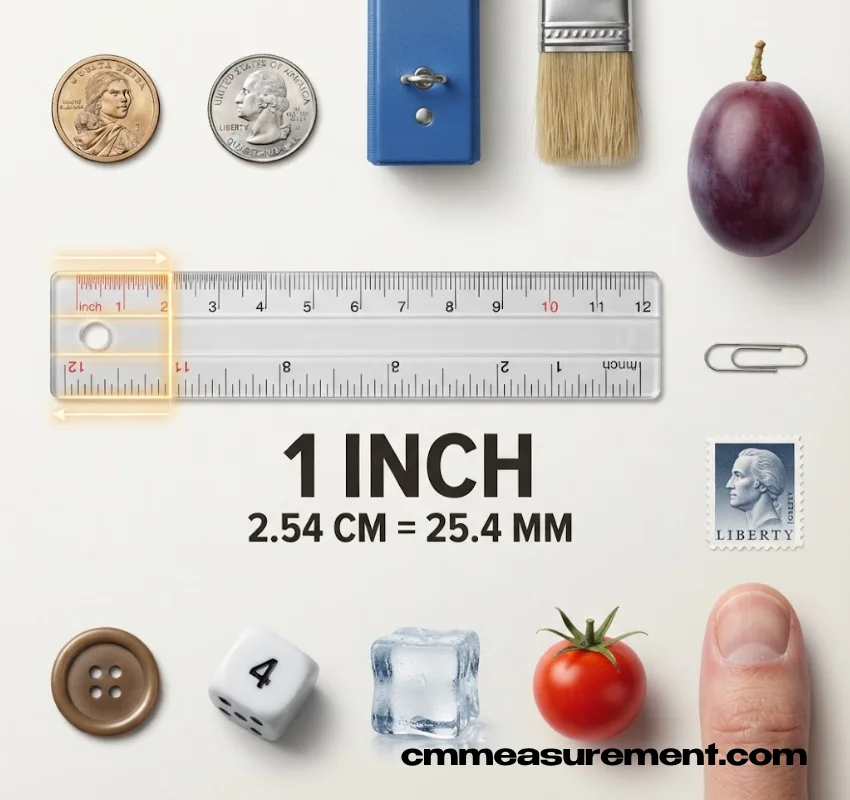
How Long Is 1 Inch? One inch equals exactly 2.54 centimeters, or 25.4 millimeters. That’s not an estimate — it’s the fixed international standard, set in 1959 when the US, UK, and other countries agreed on a common yard and pound. In feet, 1 inch works out to about 0.083 ft.
You already know roughly how long an inch is. But picturing it exactly? That takes a real object next to it. Below, you’ll find 12 everyday things close to 1 inch long, plus simple ways to spot this length on your hand or a ruler without any tools.
Table of Contents
Quick Answer: 1 Inch in CM, MM, and Feet
Here’s the exact breakdown:
| Unit | Value |
|---|---|
| Inches | 1 in |
| Centimeters | 2.54 cm |
| Millimeters | 25.4 mm |
| Feet | 0.0833 ft |
This conversion isn’t arbitrary. 1 inch = 25.4 mm became the fixed international definition in 1959, replacing several slightly different national versions that existed before. Before that, the US and UK each used a marginally different inch, off by a few millionths of an inch — small enough to ignore day to day, but important in engineering and surveying, according to Wikipedia’s history of the inch.
In plain English: 1 inch is a short, precise unit — long enough to matter, short enough to fit on your fingertip.
12 Real-Life Things That Are 1 Inch Long
Numbers alone don’t stick in memory. Objects do. Here are twelve common items that measure close to 1 inch, grouped so you can find one you already own.
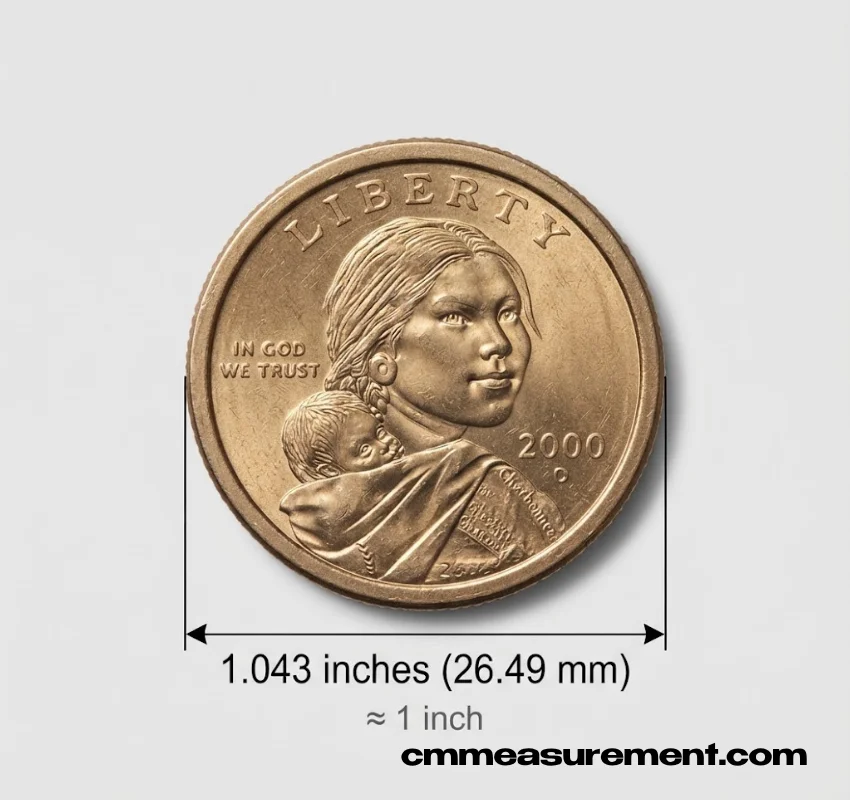
A US dollar coin. The Presidential and Sacagawea dollar coins measure 1.043 inches across — the closest US coin to a true inch, and a handy pocket reference.
A quarter. The US quarter’s diameter is 0.955 inches, just a hair under a full inch. Hold one next to a dollar coin and you’ll see the gap.
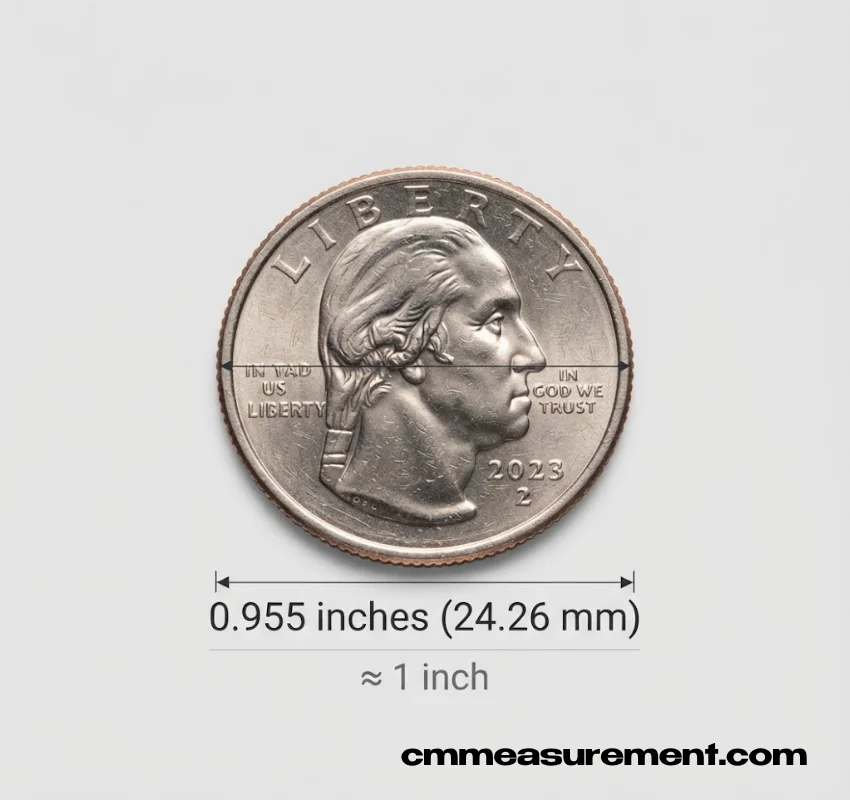
A 1-inch binder. Office and school supply stores sell three-ring binders by spine width, and the 1-inch binder is the most common size, holding roughly 200 sheets of paper.
Must Visit: How Long Is 1.25 Inches? 8 Best Real-Life Examples (USA Guide)
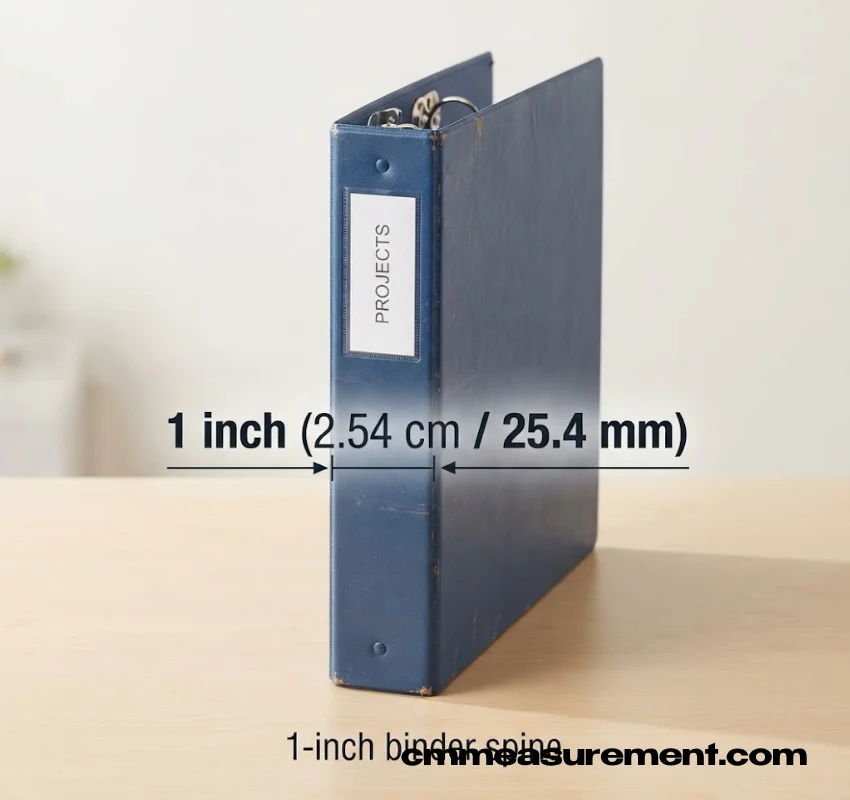
A 1-inch paintbrush. Hardware stores label brushes by bristle width. A 1-inch paintbrush is a standard trim size, exact by design.
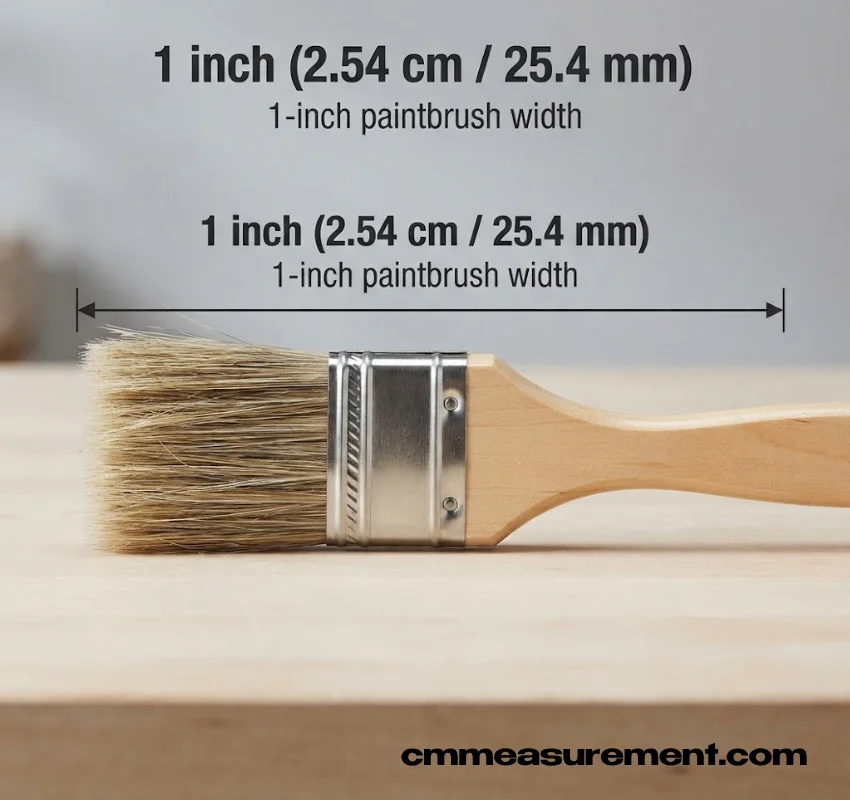
A craft button. Sewing and craft stores sell buttons by size, and 1-inch buttons are a common listed option for coats, cushions, and costumes.
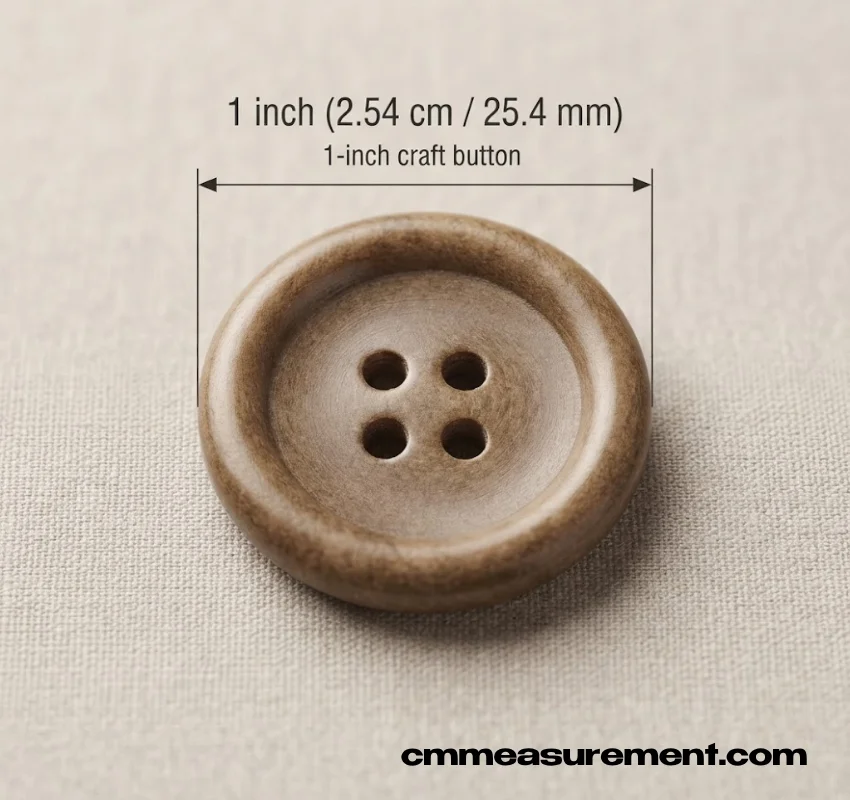
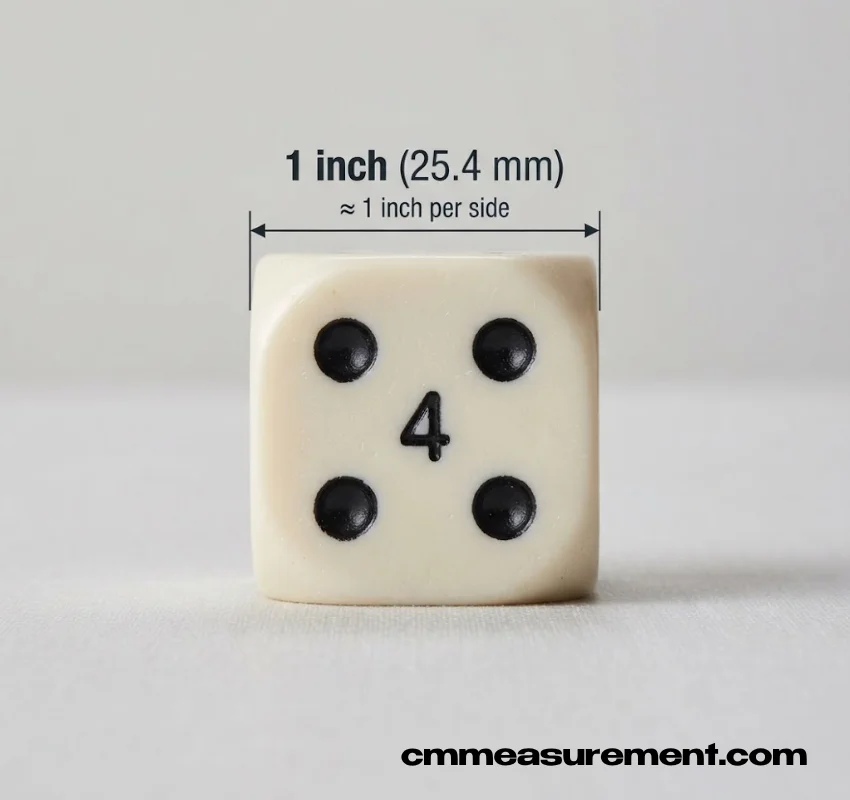
A jumbo game die. Regular dice run smaller, but jumbo dice, often used for tabletop games or props, measure close to 1 inch (25 mm) per side.
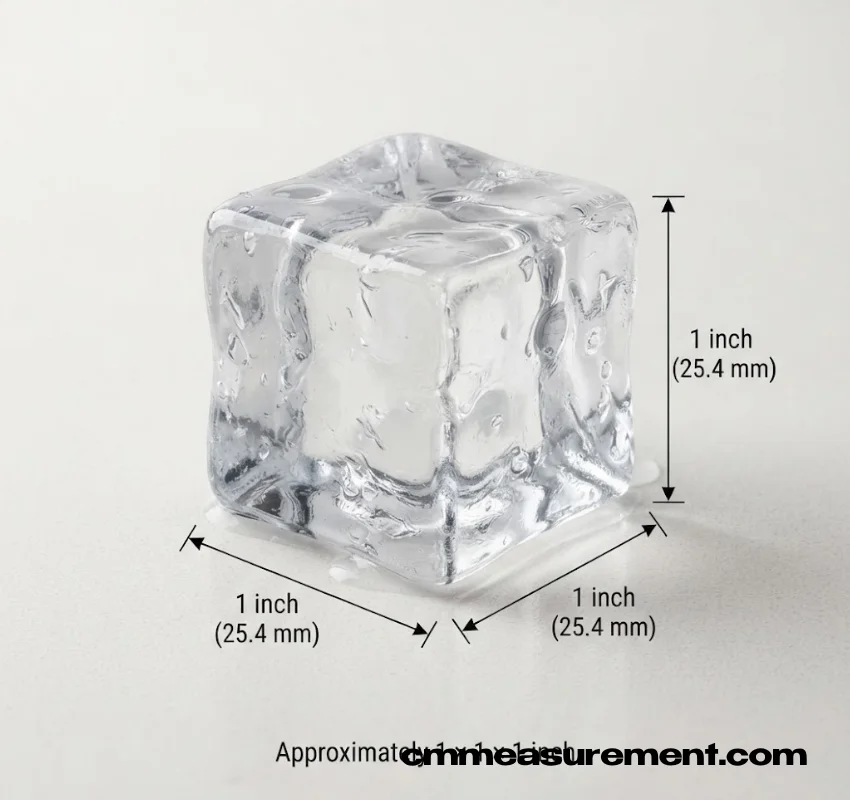
An ice cube. Many standard ice cube trays are molded to produce cubes close to 1 inch on each side — check your freezer tray and you’ll likely find this exact size.
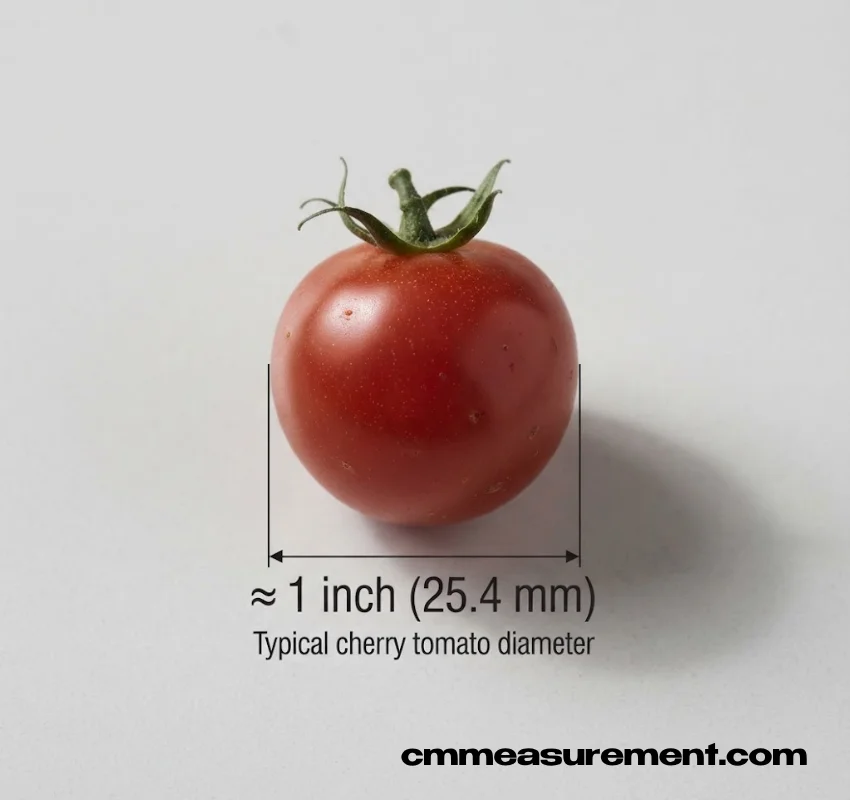
A cherry tomato. These small tomatoes typically measure about 1 inch across, making them a quick kitchen-counter reference.
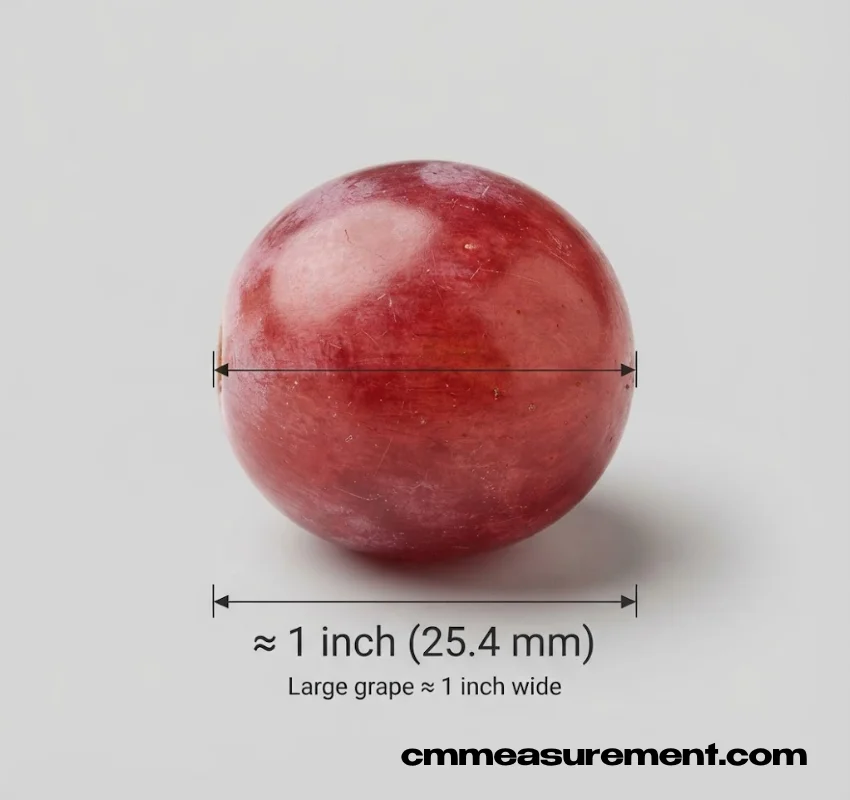
A large grape. Table grapes often reach close to 1 inch in diameter at their widest point, depending on the variety.
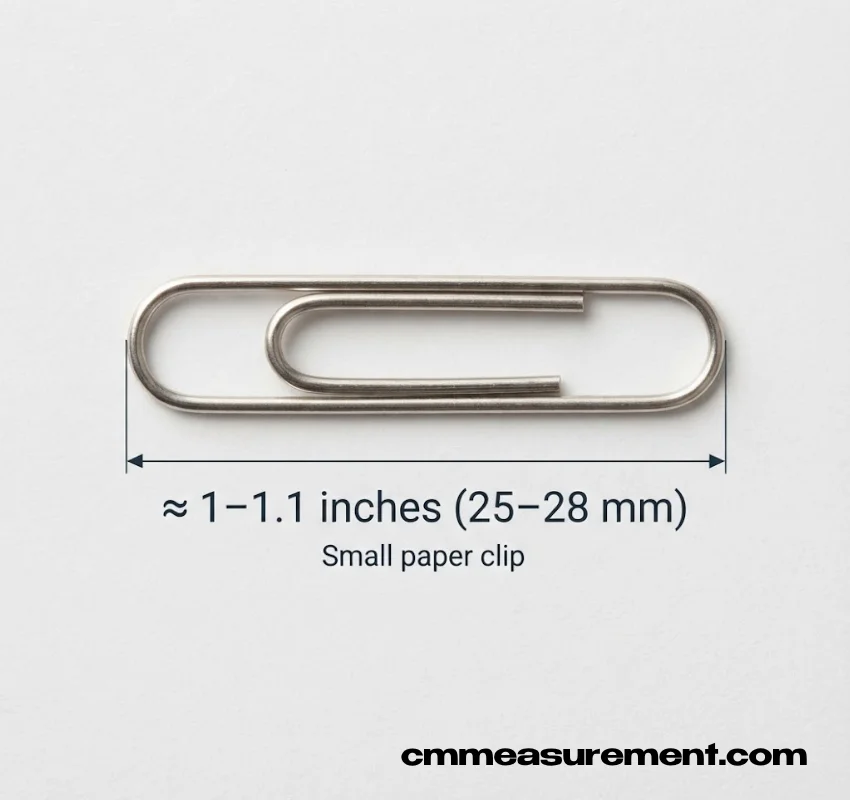
A small paper clip. The smallest common paper clip size, sometimes labeled “No. 1,” measures roughly 1 to 1.1 inches long.
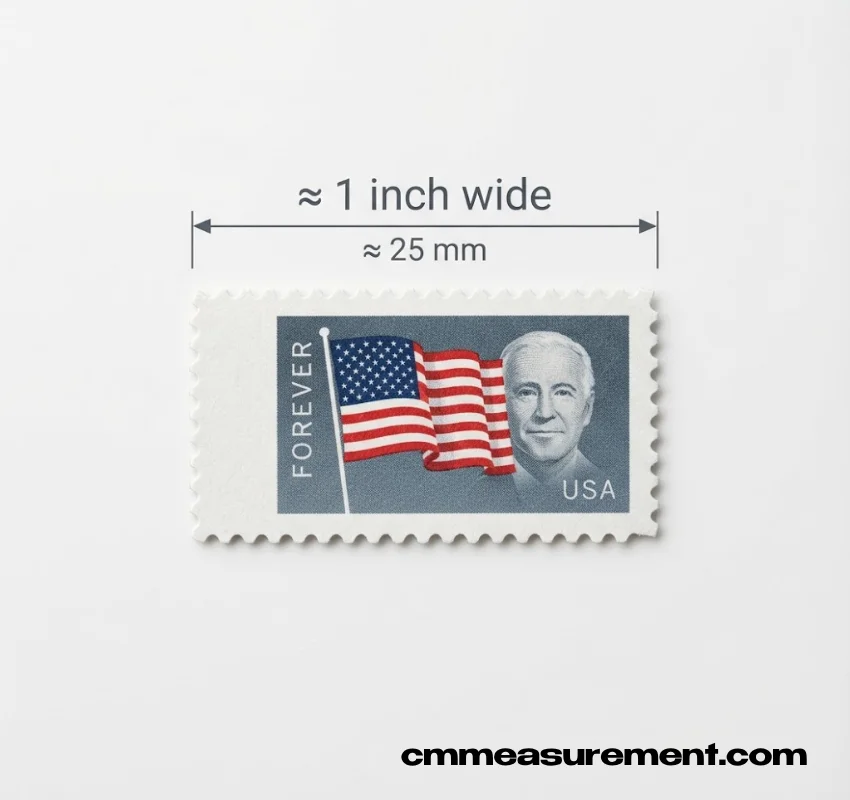
A Forever stamp. US postage stamps run just under 1 inch wide, close enough to use as a fast visual check.
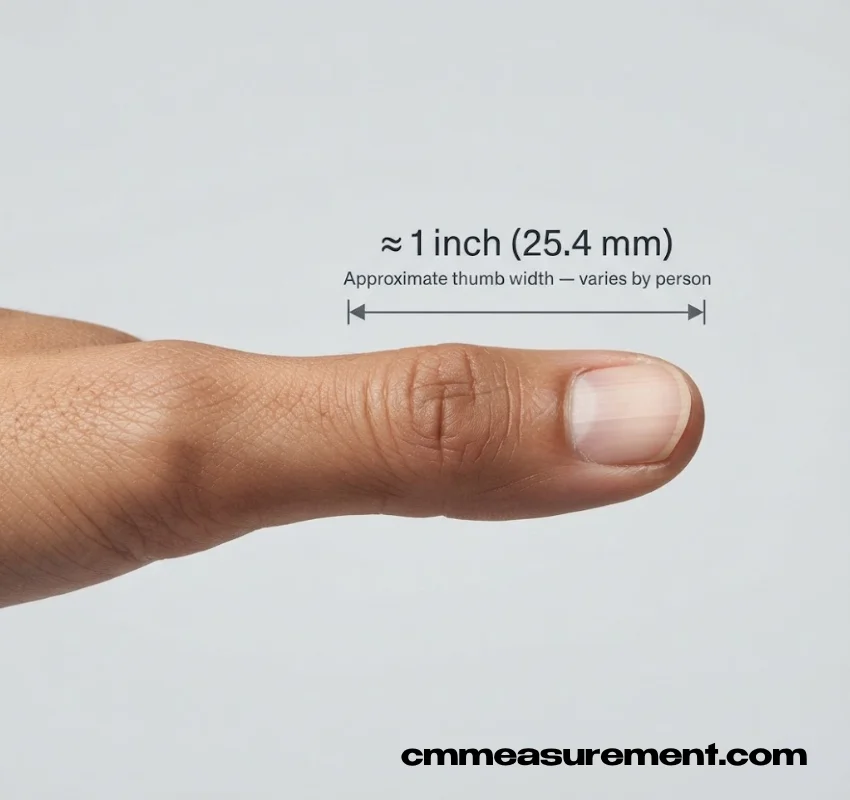
Your own thumb. This one has history behind it. In several languages, the word for “inch” comes directly from the word for “thumb” — Swedish tum, French pouce, Spanish pulgar — because a thumb’s width was once literally used to define the unit, as Wikipedia notes.
How Long Is 1 Inch in Fingers and On Your Hand?
How long is 1 inch in fingers? For most adults, the width of your thumb at the base of the nail lands close to 1 inch. This isn’t folklore invented for convenience — it’s the actual historical basis of the unit, going back centuries in English and Scottish law, where the inch was tied to average thumb width.
Your index finger’s width, measured across the middle knuckle, also comes close for many people. Neither is exact. Hand size varies person to person, so treat these as fast field checks, not precision tools.
What Does 1 Inch Look Like? A Simple Visual Guide
How does 1 inch look like? Picture the short side of a standard sticky note, or the width of a US quarter with a little extra room added. What is an example of 1 inch? A quarter’s diameter (0.955 in) gets you close; a dollar coin (1.043 in) gets you closer still, sitting just barely on either side of the true 1-inch mark.
How long is 1 inch visually? Think of it as roughly the length of the last joint on an adult thumb, from the tip to the first knuckle crease. That’s the mental image most people already carry, even if they’ve never measured it.
Where Is 1 Inch on a Ruler?
On a standard US ruler, look at the long, bold lines — these mark whole inches, numbered starting from zero at the ruler’s edge. The “1” is your 1-inch mark, exactly one full unit from the start.
Between the “0” and “1,” you’ll see shorter tick marks dividing the space into halves, quarters, and eighths. Ignore those for now — the whole numbered line is all you need to find 1 inch. On a metric ruler, look for 25 mm, rounding slightly from the exact 25.4 mm standard.
FAQs
How does 1 inch look like?
It looks close to the width of a US quarter, or the length of an adult thumb’s top joint from tip to knuckle.
How long is 1 inch in fingers?
About one thumb’s width at the base of the nail, or roughly the width of an index finger at the knuckle — both rough estimates that vary by hand size.
What is an example of 1 inch?
A US dollar coin (1.043 in) or a 1-inch craft button are both close, real-world matches.
How long is 1 inch visually?
About the length of the last joint on your thumb, or the short side of a small sticky note.
Conclusion
1 inch is small, but it’s everywhere once you start looking — in coins, binders, buttons, and your own hand. With twelve real objects and a ruler trick in hand, you’ve now got more than one way to picture this exact length instantly.

Timmy Zeeshan is the founder and lead editor of CM Measurement, where he writes and maintains a growing library of unit conversion tools and practical measurement guides. With a background in engineering and a long-standing interest in everyday math problems, Timmy started CM Measurement after growing frustrated with cluttered, ad-heavy converter websites that made simple conversions harder than they needed to be.