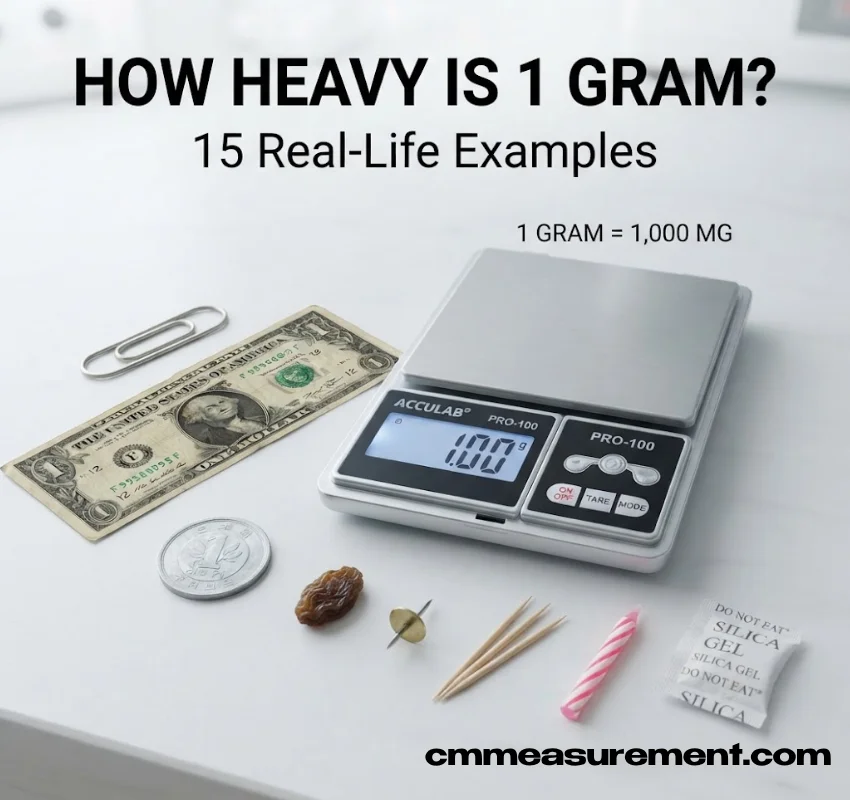
How Heavy is 1 Gram? A gram is one of the smallest units most people deal with daily, yet almost nobody can picture it on demand. You’ve seen “1 gram” printed on nutrition labels and medicine bottles a thousand times, but what does that weight actually feel like in your hand?
This guide answers exactly that, using common objects you already own, so 1 gram stops being an abstract number and becomes something you can instantly recognize.
Table of Contents
How Much Does 1 Gram Weigh? (Quick Conversion Breakdown)
One gram equals 0.035 ounces, or 0.002 pounds. In the metric system, it’s exactly one-thousandth of a kilogram, and 1,000 milligrams make up a single gram.
This isn’t a rough estimate. The gram has been part of the International System of Units (SI) since 1795, originally defined as the mass of one cubic centimeter of pure water. Today, the National Institute of Standards and Technology (NIST) maintains the modern metric standards used worldwide.
Here’s the quick-reference chart:
| Unit | Equivalent |
|---|---|
| Milligrams | 1,000 mg |
| Ounces | 0.035 oz |
| Pounds | 0.0022 lb |
| Kilograms | 0.001 kg |
| Carats | 5 carats |
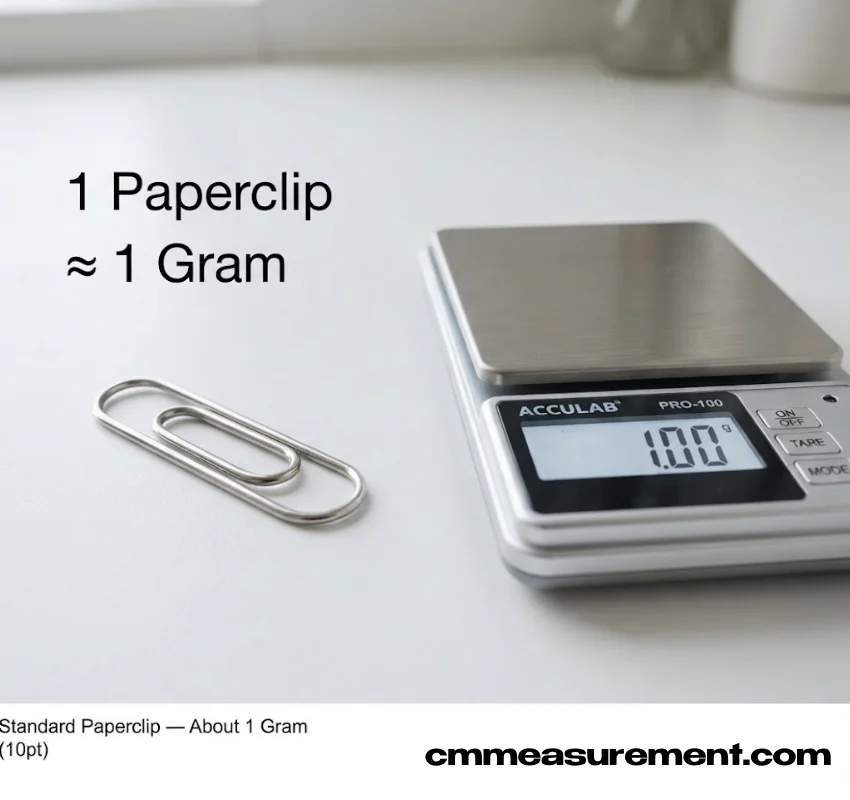
A simple way to picture it: 1 gram is about as heavy as a single paperclip resting flat in your palm.
15 Everyday Things That Weigh Exactly 1 Gram
Some of these are near-exact by design. Others are natural averages. Each one gives you a real, physical reference for what 1 gram feels like.
A standard paperclip. This is the most widely used gram reference in the world. A typical Gem-style metal paperclip weighs almost precisely 1 gram, which is why it shows up in nearly every weight comparison.
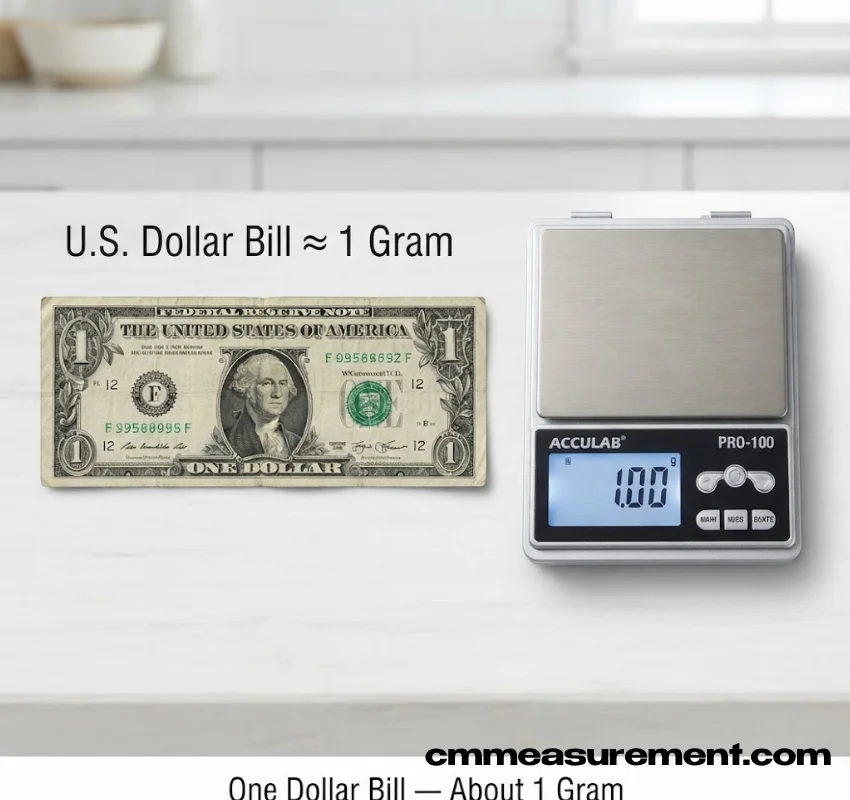
A U.S. dollar bill. Every American bill, from a $1 to a $100, weighs about 1 gram. The U.S. Bureau of Engraving and Printing makes all bills from the same 75% cotton, 25% linen blend, which keeps the weight consistent across denominations.
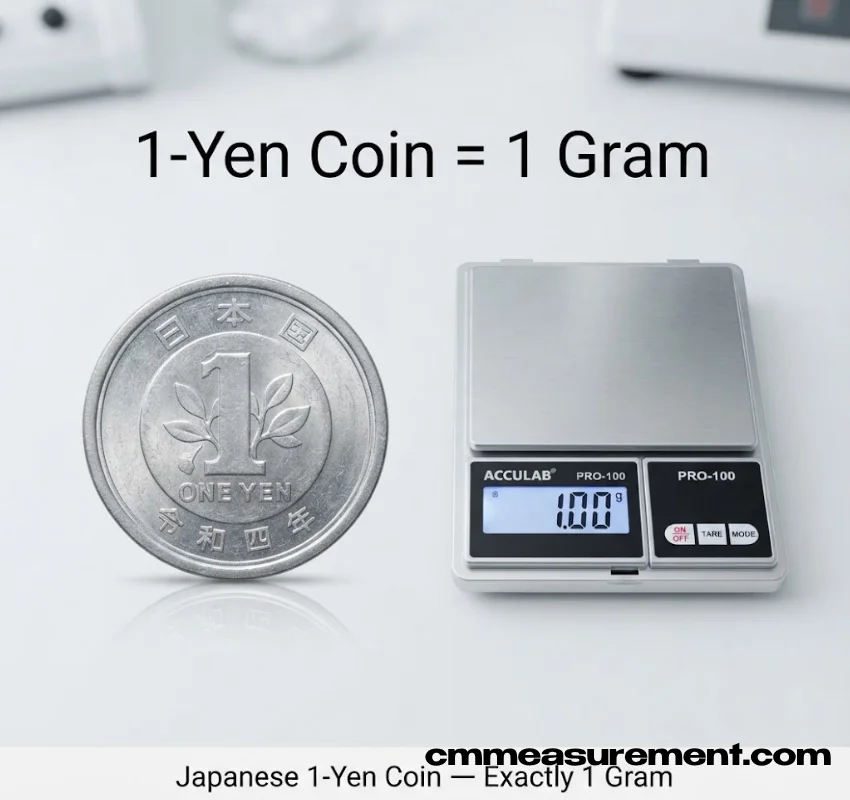
A Japanese 1-yen coin. This coin is made entirely of aluminum and weighs exactly 1 gram by design. It’s so light that it can actually float on water if placed gently on the surface.
Must Visit: How Heavy Is 10 Grams? 15 Amazing Real-Life Examples
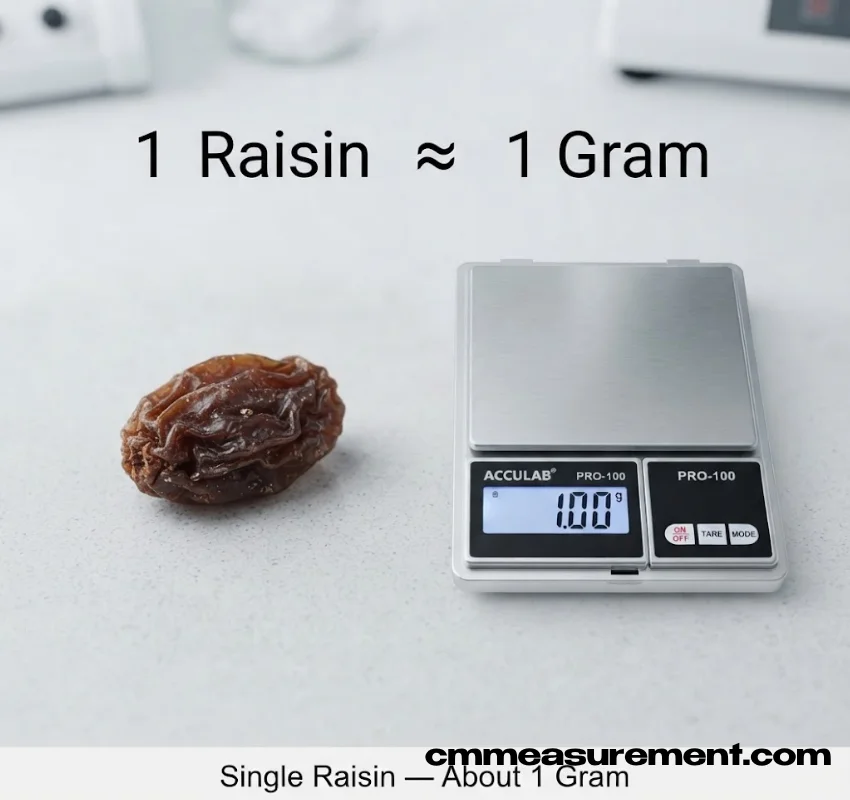
A single raisin. A dried grape loses roughly 80% of its water content, shrinking down to a dense little package that typically weighs close to 1 gram each.
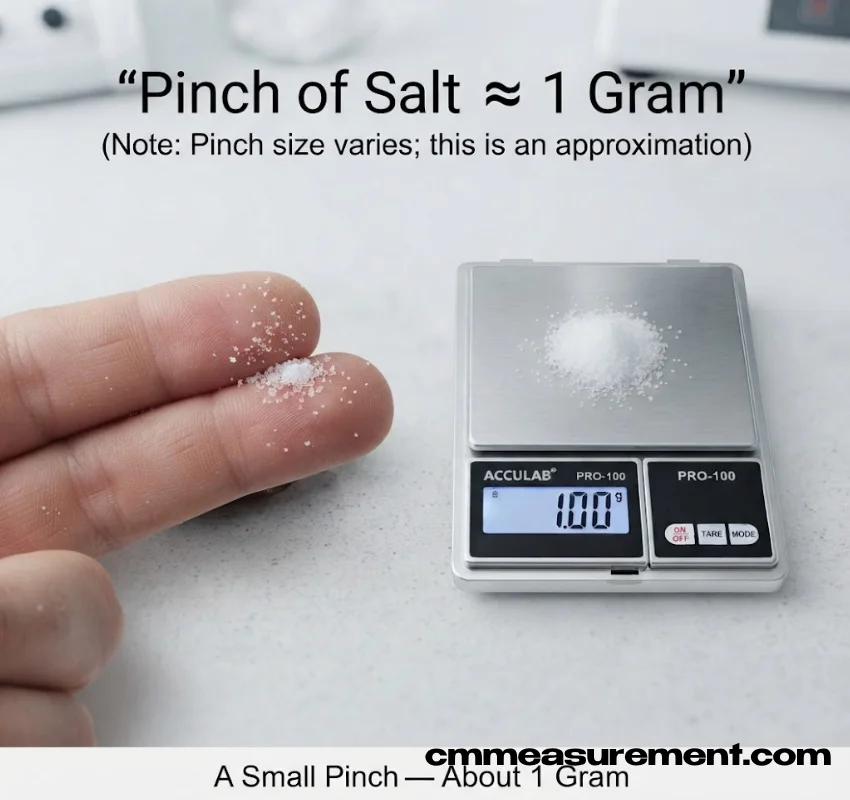
A pinch of salt. Chefs define a “pinch” as the amount held between the thumb and forefinger, and culinary schools commonly measure that at about 1 gram.
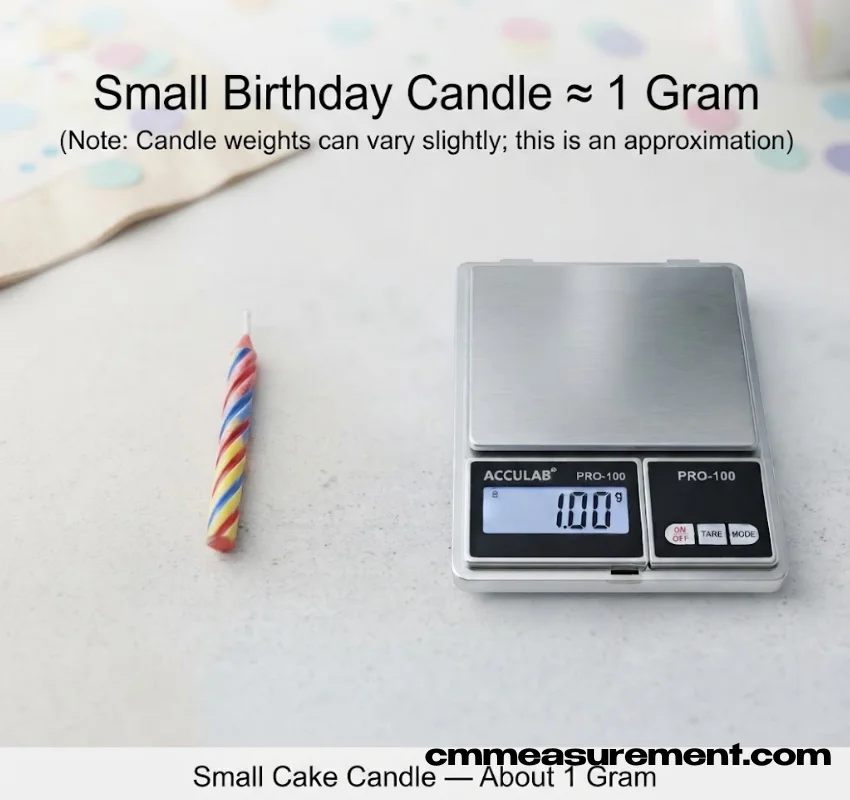
A small birthday candle. The thin, 2-inch wax candles used on birthday cakes weigh close to 1 gram apiece, meaning a dozen candles add up to roughly 12 grams total.
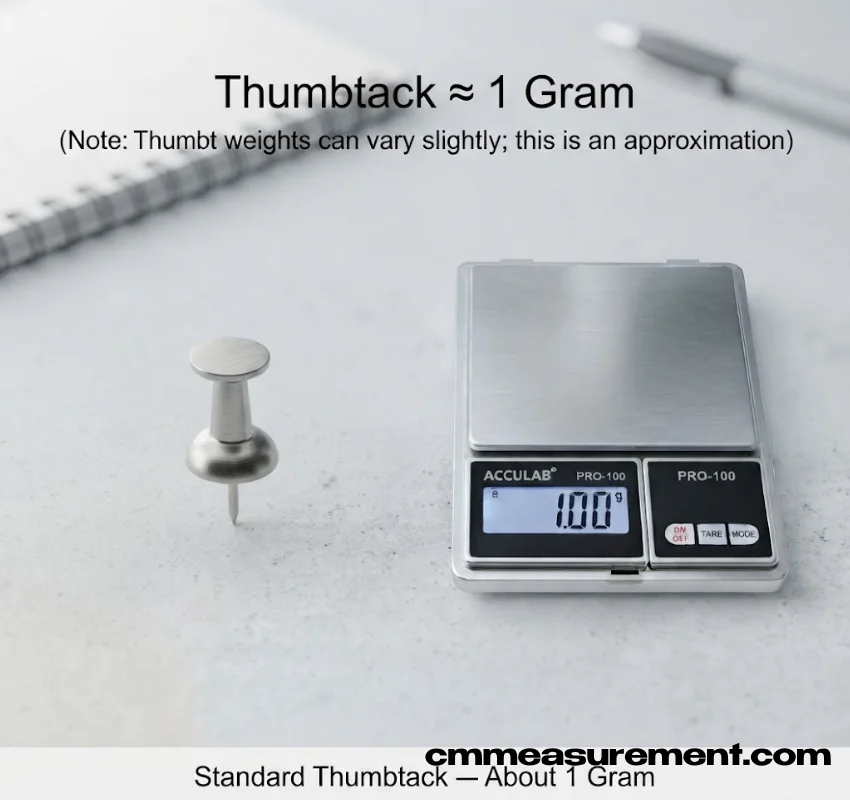
A thumbtack. Standard office and home thumbtacks, the metal pin plus the flat head, weigh approximately 1 gram, with larger decorative pins running slightly heavier.
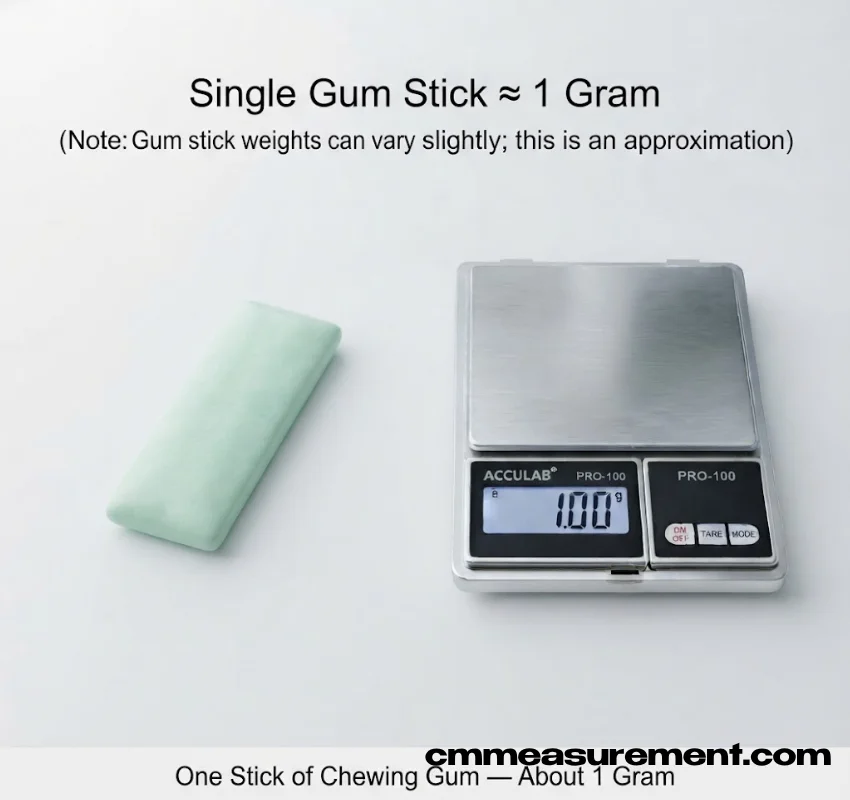
A stick of chewing gum. One classic rectangular stick, gum base and all, typically comes in right around 1 gram, regardless of flavor or brand.
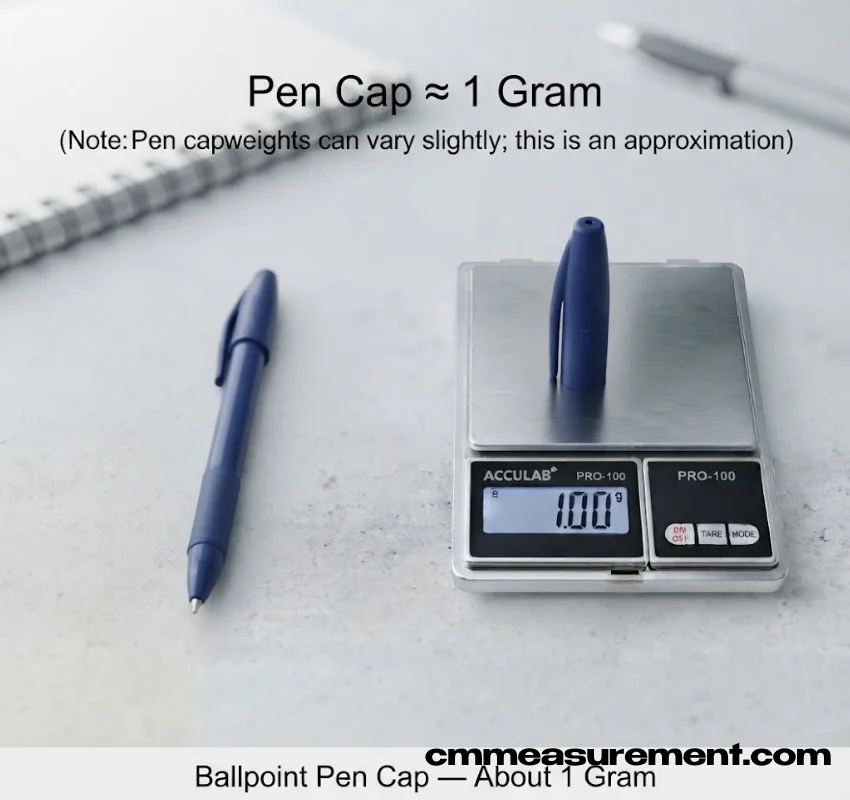
A ballpoint pen cap. The plastic cap from a standard Bic-style pen weighs close to 1 gram. Most caps also include small ventilation holes, a safety feature in case the cap is ever swallowed.
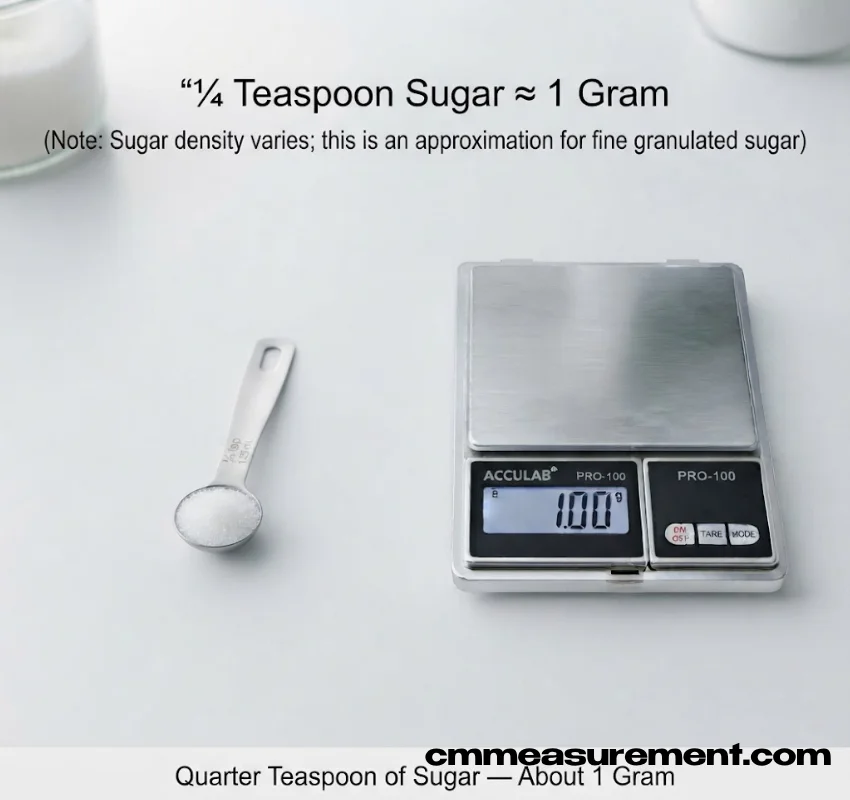
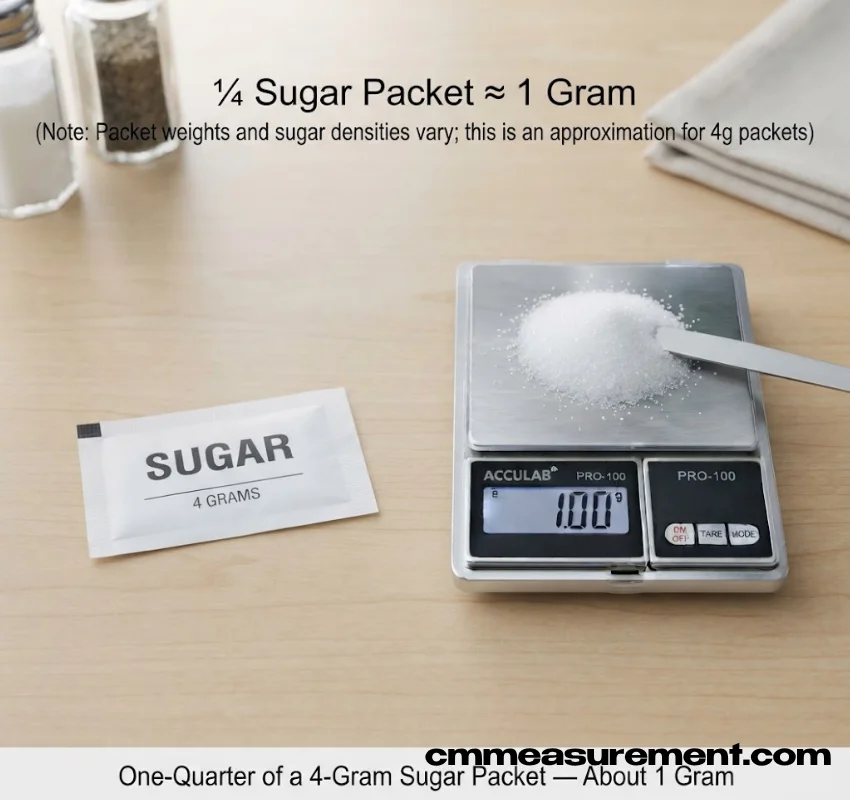
A quarter teaspoon of sugar. Fine granulated sugar measured to one-quarter teaspoon lands close to 1 gram, though coarser sugars like raw or brown sugar will weigh slightly differently at the same volume.
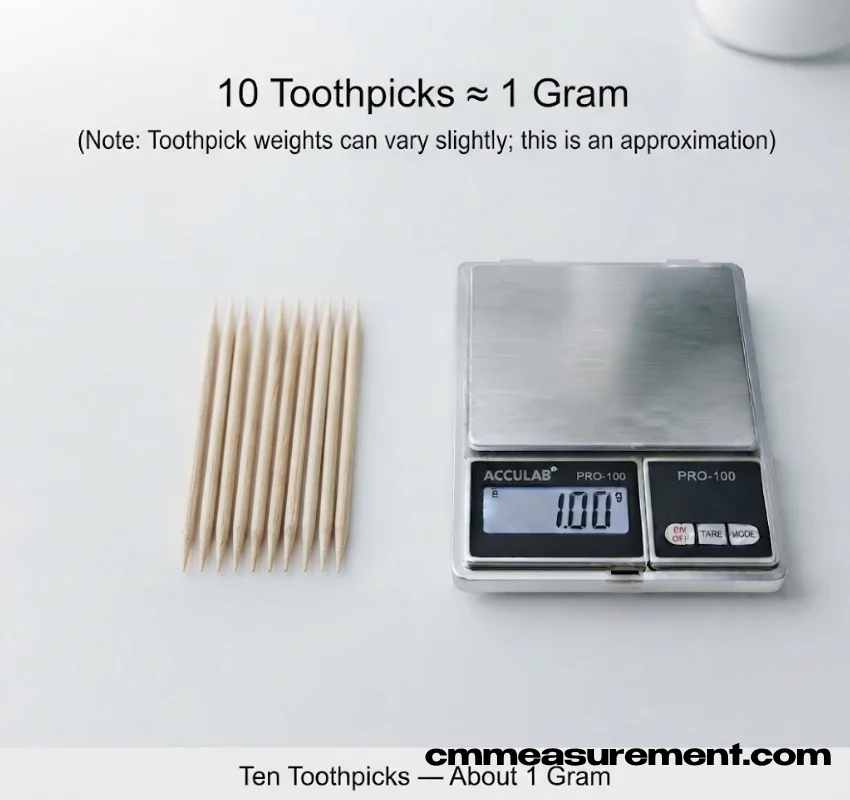
Ten toothpicks combined. A single wooden toothpick weighs about 0.1 grams on its own, so bundling ten together gets you almost exactly 1 gram total.
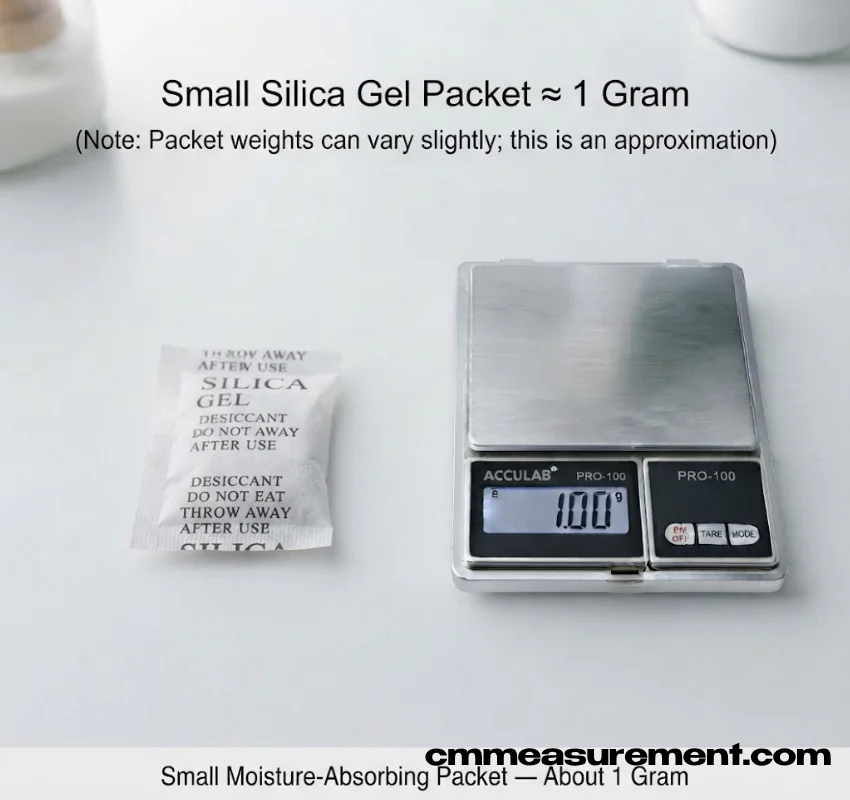
A silica gel packet. The small moisture-absorbing packets tucked into new shoes, bags, and electronics typically weigh about 1 gram, though larger packets can weigh more.
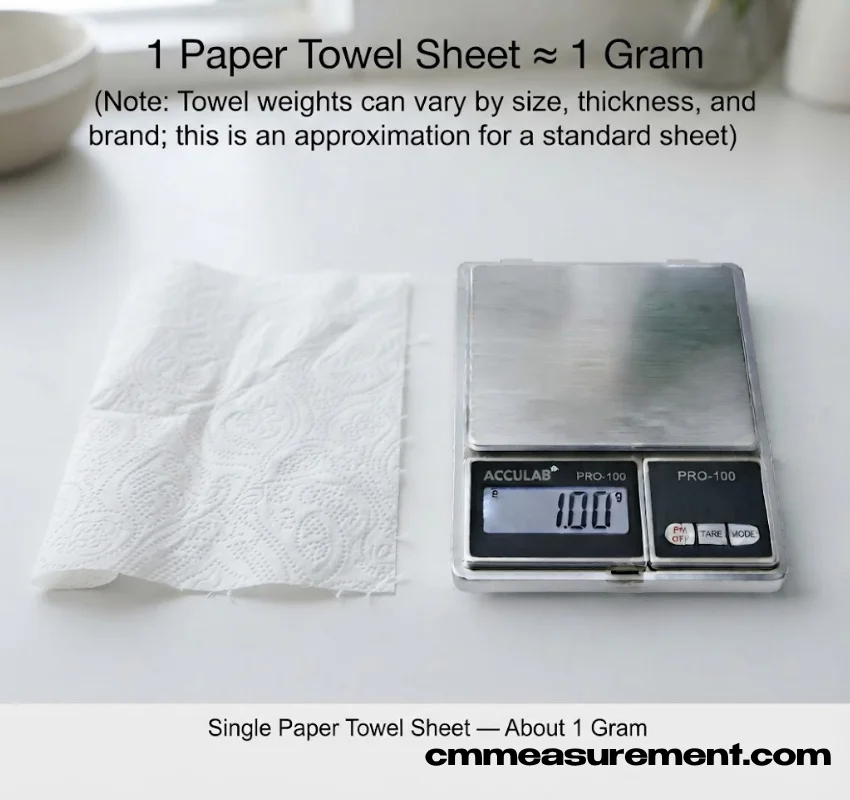
A sheet of paper towel. One torn sheet from a standard paper towel roll weighs close to 1 gram, making it an easy household comparison when nothing else is nearby.
A quarter of a sugar packet. Restaurant sugar packets usually hold about 4 grams total, so one-quarter of a packet is a near-perfect 1-gram sample.
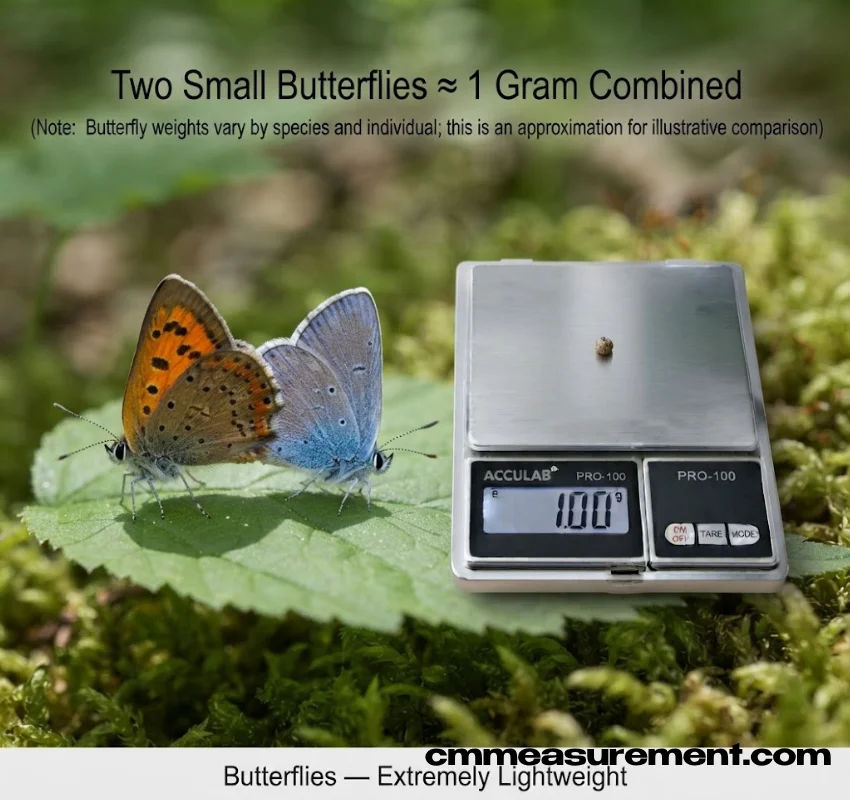
A small butterfly. Adult butterflies are surprisingly light. A male averages around 0.5 grams and a female slightly more, so two butterflies together land close to 1 gram combined.
How to Estimate 1 Gram Without a Scale
You don’t need a kitchen or lab scale to judge this weight with reasonable accuracy.
Hold a paperclip first. Since a standard paperclip weighs almost exactly 1 gram, holding one gives your hand an instant, physical baseline you can compare anything else against.
Use a dollar bill as a backup. Because every denomination weighs the same, a folded bill in your wallet doubles as a built-in weight reference whenever you need one.
Try the water method. One milliliter of water weighs exactly 1 gram at room temperature. A medicine dropper or a small measuring spoon can help you test this relationship directly.
Practice with small groups. Collecting ten paperclips or ten toothpicks and weighing them as a set helps train your hand to recognize 1 gram, 5 grams, and 10 grams by feel alone over time.
Is 1 Gram Heavy or Light? (Real-World Context)
The answer changes completely depending on what’s being measured.
Is 1 gram heavy for medicine? Yes. In pharmaceuticals, doses are often measured in milligrams, so a full 1,000-milligram gram is considered a substantial amount for many medications.
Is 1 gram heavy for food? No. Nutrition labels list many nutrients in single grams or fractions of a gram, since food components like sugar, fat, and fiber are usually present in much larger total amounts.
Is 1 gram heavy for jewelry? It depends on the material. In gemstones, 1 gram equals 5 carats, which is considered a large, heavy stone by jewelry standards.
Is 1 gram heavy for shipping or postage? No. Most mail and packages are measured in ounces or pounds, making a single gram essentially negligible for shipping calculations.
FAQs
What weighs exactly 1 gram?
A standard paperclip, a U.S. dollar bill, and a Japanese 1-yen coin are the three most commonly cited items that weigh almost exactly 1 gram.
How big does 1 gram look like?
There’s no fixed size, since weight and size depend on density. A dense metal object like a coin looks tiny at 1 gram, while a light object like a butterfly looks much larger for the same weight.
Is 1 gram equal to 1 spoon?
No. A gram measures weight, while a spoon measures volume. One teaspoon of water weighs about 5 grams, but a quarter teaspoon of sugar weighs closer to 1 gram, so the spoon size needed always depends on the ingredient.
How much does 1 gram feel like?
It feels almost weightless. Most people describe it as the barely-there sensation of holding a single paperclip or a dollar bill, light enough that you notice it’s there but can’t really judge its exact weight without practice.
Conclusion
One gram equals 0.035 ounces, or one-thousandth of a kilogram, a weight you can now picture instantly through a paperclip, a dollar bill, or a Japanese yen coin.
Next time you need to judge a small weight without a scale, remember these everyday matches. They turn an easy-to-forget number into something you can actually feel.

Timmy Zeeshan is the founder and lead editor of CM Measurement, where he writes and maintains a growing library of unit conversion tools and practical measurement guides. With a background in engineering and a long-standing interest in everyday math problems, Timmy started CM Measurement after growing frustrated with cluttered, ad-heavy converter websites that made simple conversions harder than they needed to be.